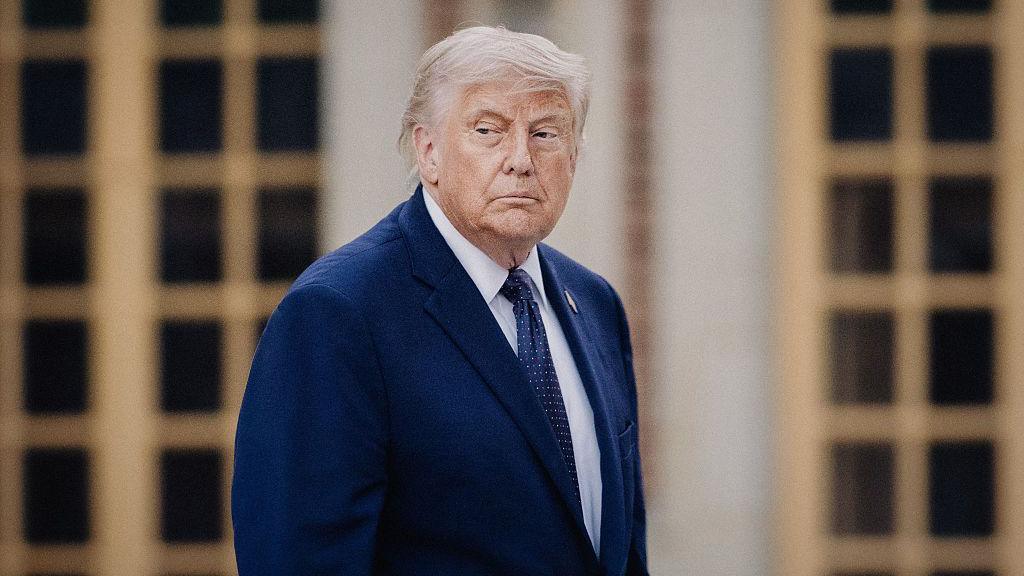
US President Donald Trump has unveiled a $12bn (£9bn) farm aid package aimed at helping farmers impacted by low crop prices and the administration's ongoing trade wars.
Most of the money – $11bn – is earmarked for one-time payments to farmers for row crops as part of the agriculture department's Farmer Bridge Assistance programme, with another billion reserved for crops not covered by the programme.
While farmers have broadly supported Trump, the agriculture sector has been disrupted by trade disputes during his second term, particularly with China.
Also on Monday, Trump threatened to hit Mexico with an additional 5% tariff in a row over water supplies to US farmers.
The White House says the aid package will help farmers suffering from years of unjustified trade actions and accumulated inflation.
Trump made the announcement during an event at the White House, alongside Treasury Secretary Scott Bessent and Agriculture Secretary Brooke Rollins. Members of Congress and corn, cotton, sorghum, soybean, rice, cattle, wheat and potato farmers were also in attendance.
Maximising domestic farm production is a big part of how we will make America affordable again and bring down grocery prices, Trump said.
Sorghum and soybean farmers have been hit hard by the Trump administration's trade dispute with China, the greatest importer of their crops.
According to a White House official, the payments are intended to help farmers market this year's harvest and plan for next year's crops, as well as act as a bridge until the administration's policies deliver a better market environment.
When asked if further farm aid packages were planned, Trump said it depends on how the market develops.
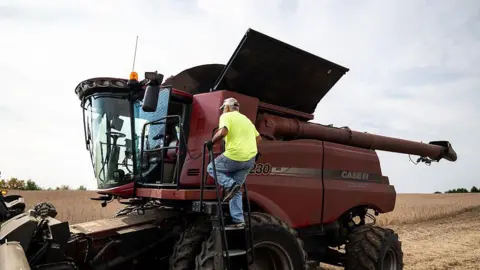
As crop prices have fallen and profitability has plummeted, farmers voiced concerns that while aid helps, it does not resolve persistent challenges in the agriculture sector.
A farmer in Indiana noted that the government aid would assist with necessary machinery upgrades, indicating broader dissatisfaction with ongoing production costs.
Overall, the aid package reflects an urgent effort to stabilize the agricultural economy amid rising concerns over trade relations and domestic crop production.