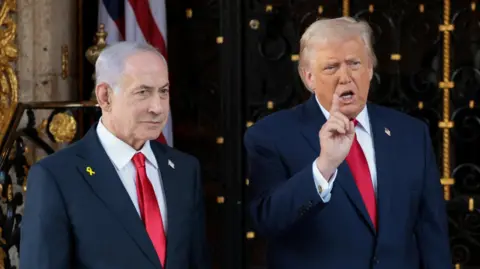
Surprising Ceasefire: Trump's Agreement with Lebanon Disrupts Israeli Expectations
The recent announcement of a ceasefire between Israel and Lebanon, facilitated by U.S. President Donald Trump, has raised eyebrows in Israel, which appears unprepared for the abrupt halt in military operations amidst ongoing hostilities.
As news of the ceasefire spread through Israel's northern communities, alarms sounded, signaling incoming rockets from Lebanon. Israel's air defense systems responded with interceptors, resulting in explosions heard across cities, with several casualties reported from shrapnel injuries.
On the ground, skepticism looms among the Israeli populace regarding their government’s decision to accept the truce. Many citizens, including students and working-class individuals, voice doubts about the effectiveness of past ceasefires, fearing a recurrence of failed negotiations and unfulfilled promises from the Lebanese government to disarm Hezbollah.
Former Israeli military officials and political analysts argue that this ceasefire has left Israel at a disadvantage, with Netanyahu's administration appearing to bend to U.S. pressure, while critics assert the government convened security meetings with little notice before the ceasefire announcement.
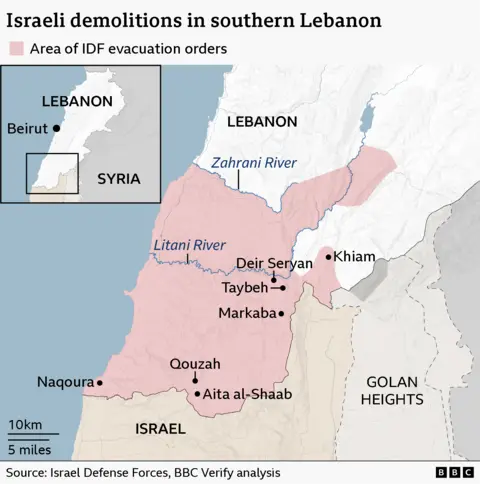
Israeli Prime Minister Benjamin Netanyahu emphasized that while the truce is an opportunity, few concessions were made, maintaining Israel's military presence in Lebanon despite external demands.
Despite the ceasefire, public opinion strongly favors continued military action against Hezbollah, with surveys indicating a significant majority of Israelis oppose this latest agreement with Iran. Concerns remain that this ceasefire may not effectively address the underlying tensions, as many citizens grapple with the potential consequences of their nation’s alignment with U.S. foreign policy amidst the ongoing conflict with Hezbollah.