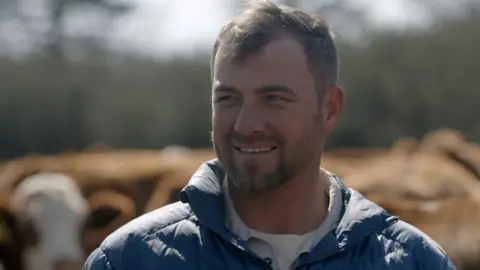
The 4m-high (13ft) electric steel gates, capped with spikes, creak open as Marthinus, a farmer, drives through in his pick-up truck. Cameras positioned at the entrance track his every move, while reams of barbed wire surround the farm in the rural Free State province in the heart of South Africa.
It feels like a prison, he says as the gates clank shut behind him. If they want to come and kill us they can. At least it will take them time to get to me. The fear of being attacked is very real for the white Afrikaner, who manages a farm with his wife and two young daughters. He did not want us to use his full name.
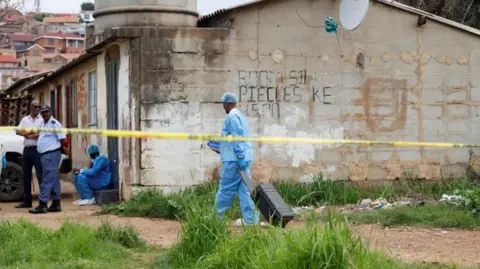
Marthinus’s family history is marred by tragedy; both he and his wife's grandfathers were murdered in farm attacks. They live just a two-hour drive from where Brendan Horner’s body was found, tied to a pole and murdered. In February, fearing for his family's safety, Marthinus applied for refugee status in the U.S. He states, I'm prepared to do that to get a better life for my wife and children. Because I don't want to be slaughtered and be hanged on a pole. Our Afrikaner people are an endangered species.
However, opinions diverge significantly among white South Africans. Not everyone agrees that they are uniquely targeted; many acknowledge that black farmers also suffer at the hands of violent crime. Thabo Makopo, a black farmer, shares that the threat of attacks is a common fear for all farmers in the region, regardless of their race.
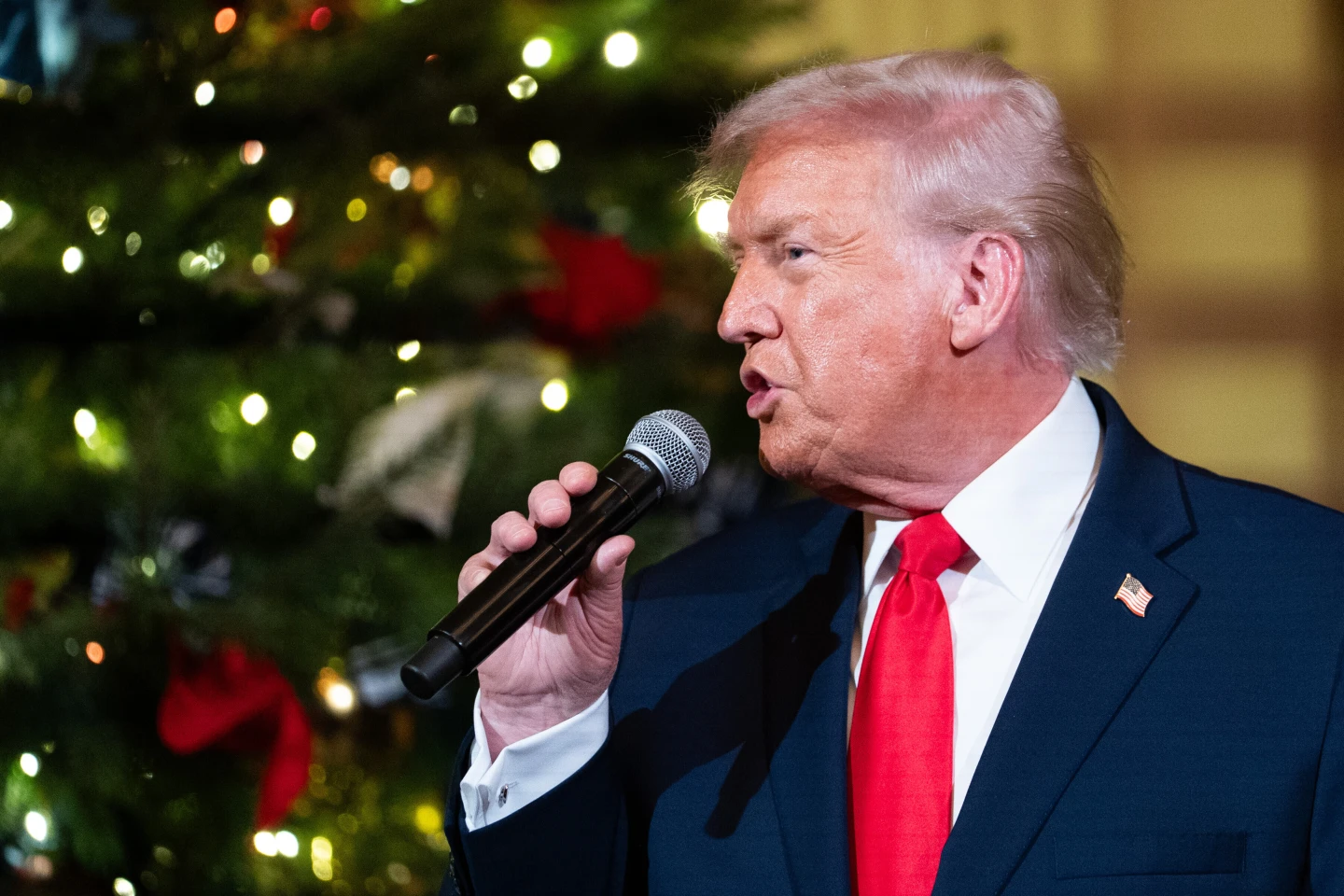
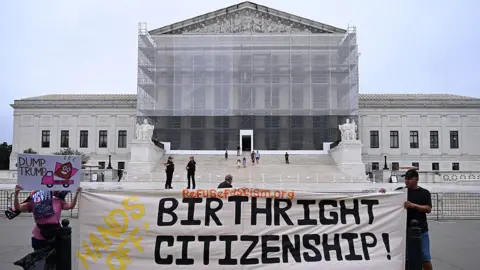
The U.S. offer coincides with rising concerns about crime in South Africa, with over 63 murders reported daily. Despite the announcement from 2025 that the U.S. would reduce its refugee intake, former President Trump made resettling Afrikaners a priority. For farmers like Marthinus, this represents hope, while for others like Morgan Barrett, the idea of 'white genocide' is not seen as valid. Barrett asserts that crime does not discriminate based on race and argues that labeling it as genocide diminishes the seriousness of historical genocides.
As the refugee applications climb, South Africa's history of apartheid and the current socio-economic landscape adds layers of complexity to the situation. While government statistics indicate that farm attacks affect individuals across all racial backgrounds, perceptions continue to vary widely, demonstrating how deeply ingrained and troubling issues of race and violence remain in post-apartheid South Africa.