Five Key Insights from the Netflix-Warner Brothers Acquisition
The recent merger between Netflix and Warner Brothers Discovery illustrates a dramatic shift in the entertainment industry, characterized by colossal deal-making amidst fierce competition and regulatory scrutiny.
Here are five critical takeaways from this blockbuster acquisition:
1. Netflix's Power Amplified
As the largest streaming service globally, Netflix's acquisition of Warner Brothers significantly enhances its reach and content library, which now features nearly a century of cinematic history. This merger is set to bring over 128 million additional subscribers from HBO into Netflix's already massive user base.
2. Pricing Uncertainties
Executives remain non-committal regarding how the HBO brand will merge with Netflix's existing structure. While the deal may allow Netflix to charge higher prices due to its enhanced content offerings, there's also potential for reduced costs for consumers if they gain access to both platforms under a unified service.
3. Streaming Dominates as Hollywood Adapts
This acquisition symbolizes a shift away from traditional cinema and toward streaming as the primary medium for film. As influential filmmakers express concern over the implications of this transformation, Netflix asserts its commitment to theatrical releases, raising questions about the future of cinema as an art form.
4. Regulatory Challenges Ahead
Completion of the deal hinges on regulatory approvals, amid bipartisan scrutiny about its potential effects on consumer choice and prices. How regulators define the competitive landscape will be pivotal in determining the deal’s fate.
5. Political Influence as a Factor
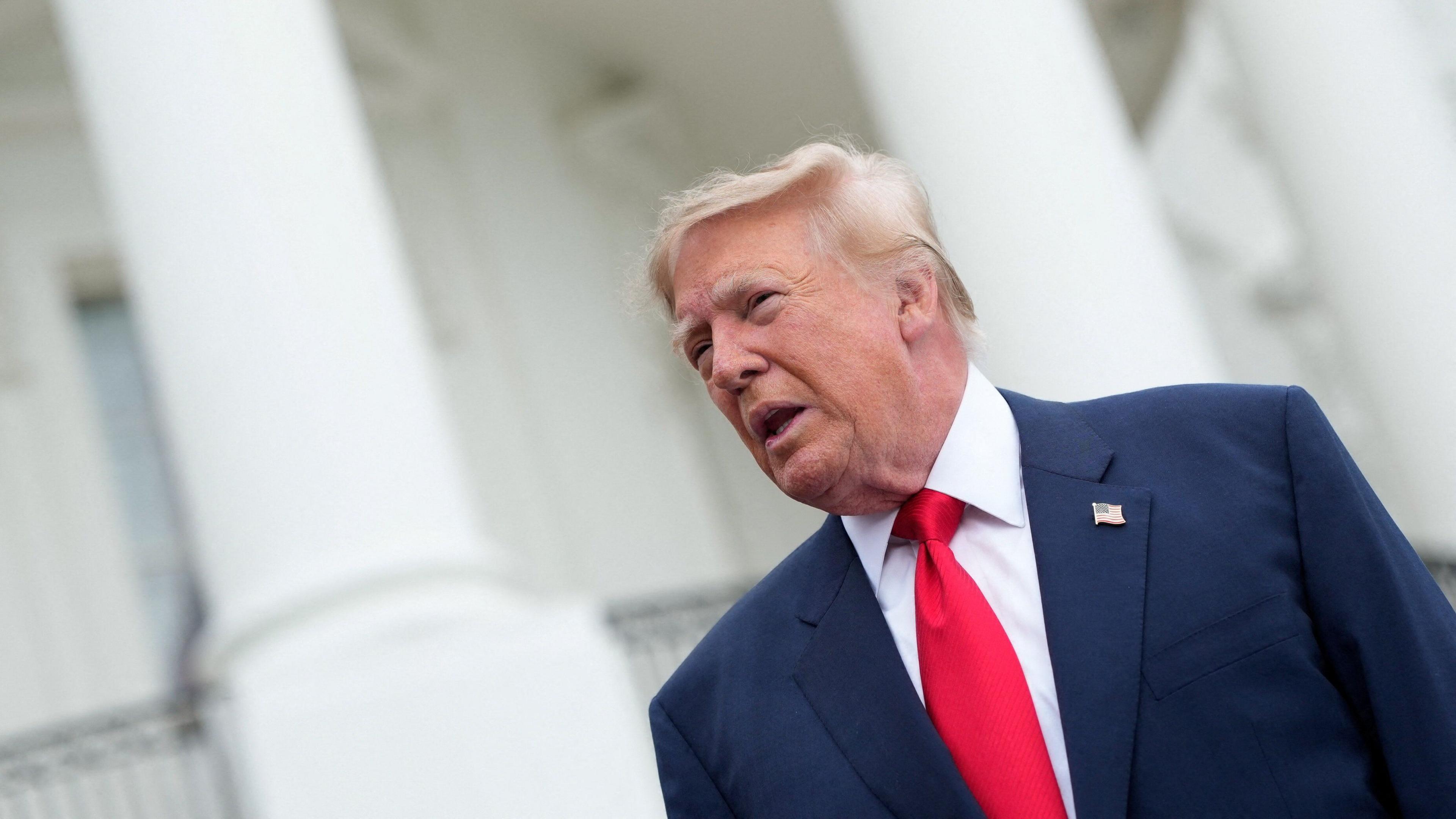
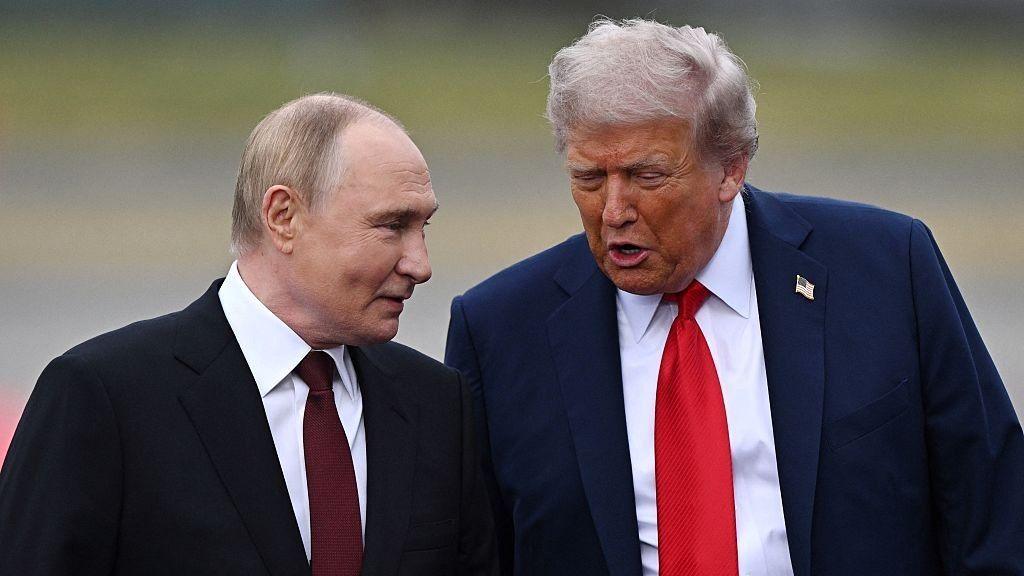
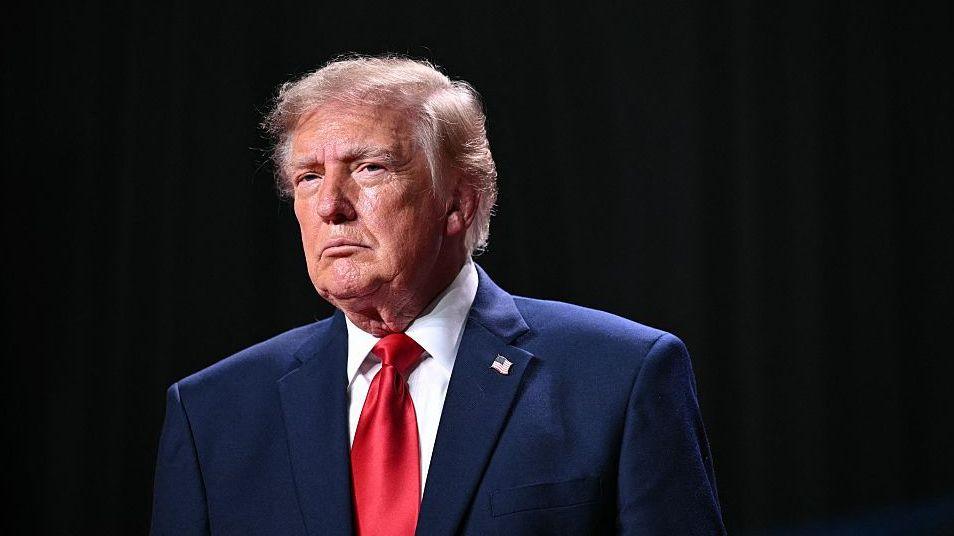
The presence of President Trump's administration adds another layer of complexity, as his past favorable comments toward a rival suitor might influence regulatory perspectives. This political angle could potentially affect the deal's approval process and the future dynamics of media ownership.
The Netflix-Warner Brothers merger is not just an acquisition; it's a crucial episode in the ongoing saga of media transformation against the backdrop of changing consumer habits and technological advancements.