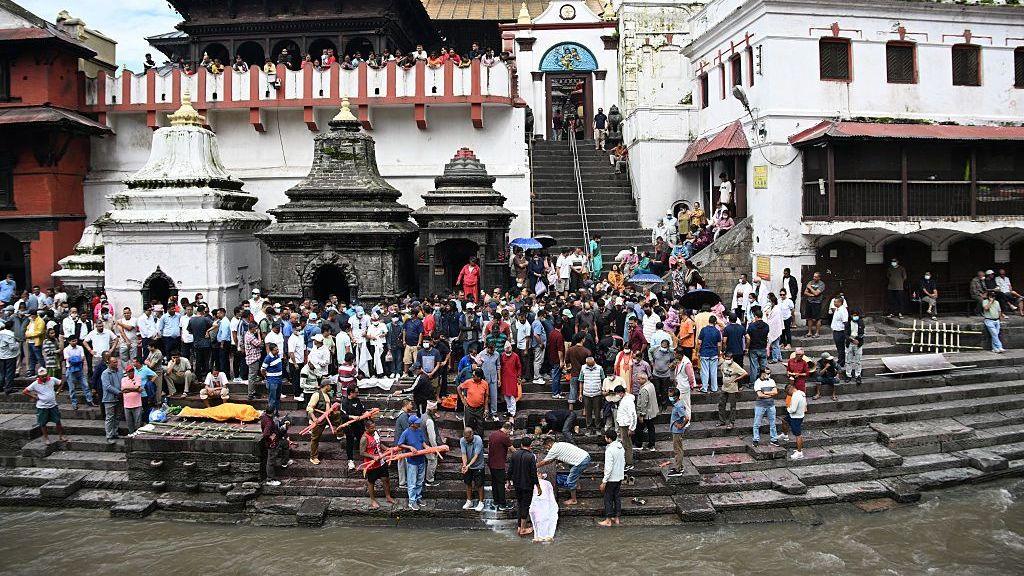
A river that once nurtured, now ravaged
The sudden surge of the Bagmati River on 26 August cut through villages in the Rasuwa district, swallowing homes, roads and—unknowingly—people. More than 1,400 bodies have been found, but the official toll of missing residents stands at over 5,000.
Symbolic funerals by the sacred river
At Pashupatinath Temple on the banks of the River, families like that of Madan Lal Lawat converged to perform last rites using Kushe grass effigies, a ritual prescribed when bodies cannot be recovered. Lawat, who survived because he was away from his village in a bus, says the law does not allow families to claim the victims are dead until the end of a 12‑year period.
Legal obstacles to compensation
To receive the 200,000 rupee bereavement grant or 100,000 rupees for each subsequent death, families must present a death certificate. The Civil Code of Nepal presumes a missing person dead only after a decade, a rule researchers argue is outdated for contemporary disasters.
Constitutional expert Bipin Adhikari says the legislation was designed for men travelling abroad, not for flood victims washed away in minutes. Until a solution is found, local officials have repeatedly turned residents away, citing bureaucratic confusion.
Rebuilding a nation on fragile footing
The government estimates that damage to private property alone is worth 123 million pounds, averaging about 14,800 pounds per household. Infrastructure failures—schools, bridges, hydropower—push reconstruction costs toward 3.6 billion pounds. Prime Minister Shah has called for grant‑based international aid rather than new loans, stressing the urgency of addressing both the physical and legal aftermath of the disaster.
Voices from the ground
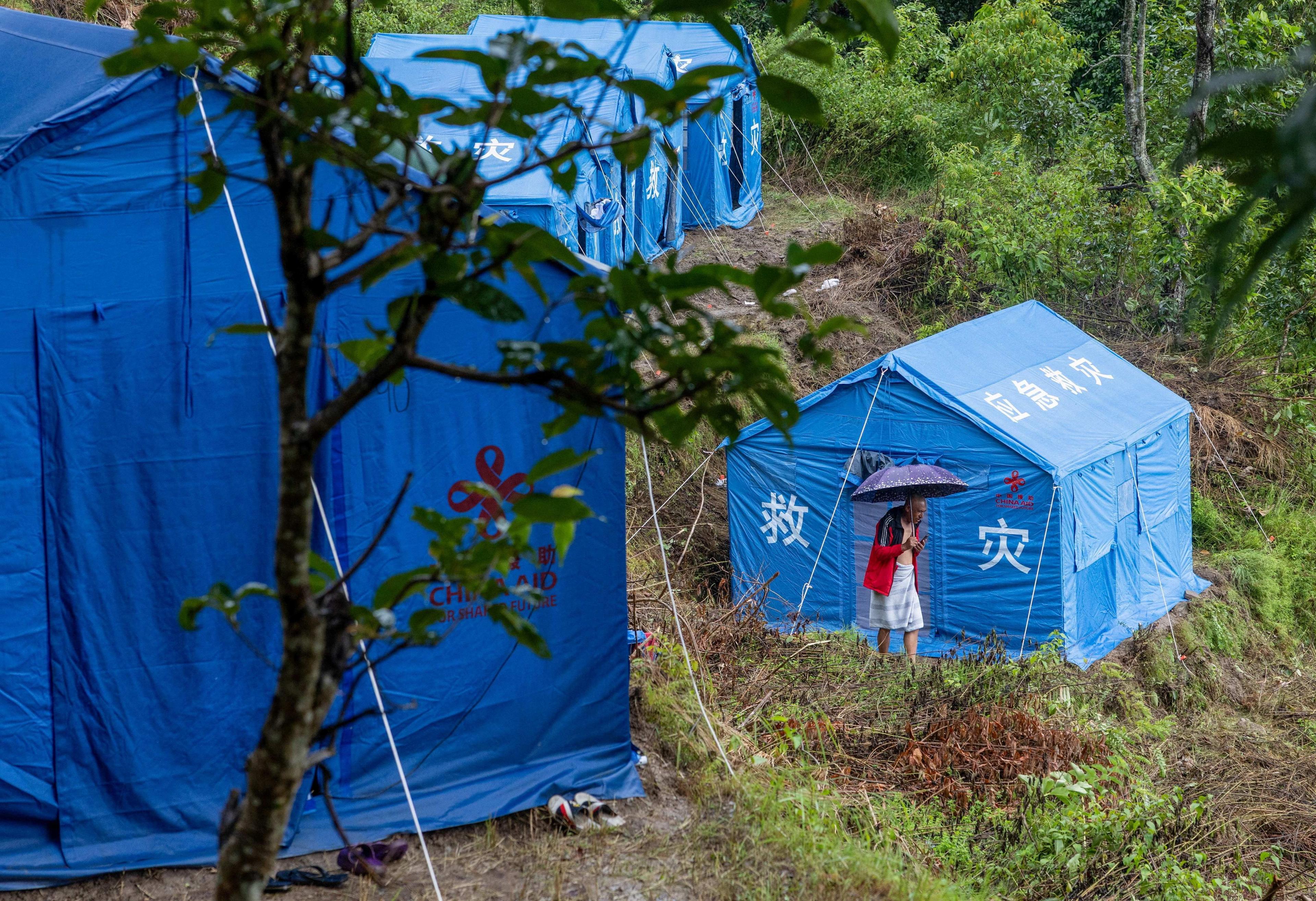
Tisum Ghale, a survivor who had found refuge in Betrawati after the 2015 earthquake, now lives with eight orphaned children of his sisters killed in the flood. He reports receiving none of the promised aid, insisting that the delay in confirming death certificates invalidates any claim for compensation.
Across the Rasuwa–Nuwakot border, disaster officials have urged the prime minister’s office to resolve the death confirmation issue. While the government acknowledges the difficulty, the lack of a clear legal pathway has effectively frozen essential funds for families hoping to rebuild.
Why the law matters
For societies facing abrupt environmental loss, the ability to declare and legally recognize death is not merely a bureaucratic formality; it is the key to accessing compensation, transferring property, and providing closure. In Nepal, where average household losses reach 20,000 dollars, a 12‑year delay could mean the difference between recovery and ongoing poverty.
What comes next?
Officials at the Ministry of Home Affairs have stated that they are prepared to amend the Civil Code to account for disasters. The coming weeks will determine whether the legal framework can be adapted to meet the urgent humanitarian needs of Nepali families left in limbo by a flood that still leaves many souls unclaimed.