
Christa Pike discharged after botched execution
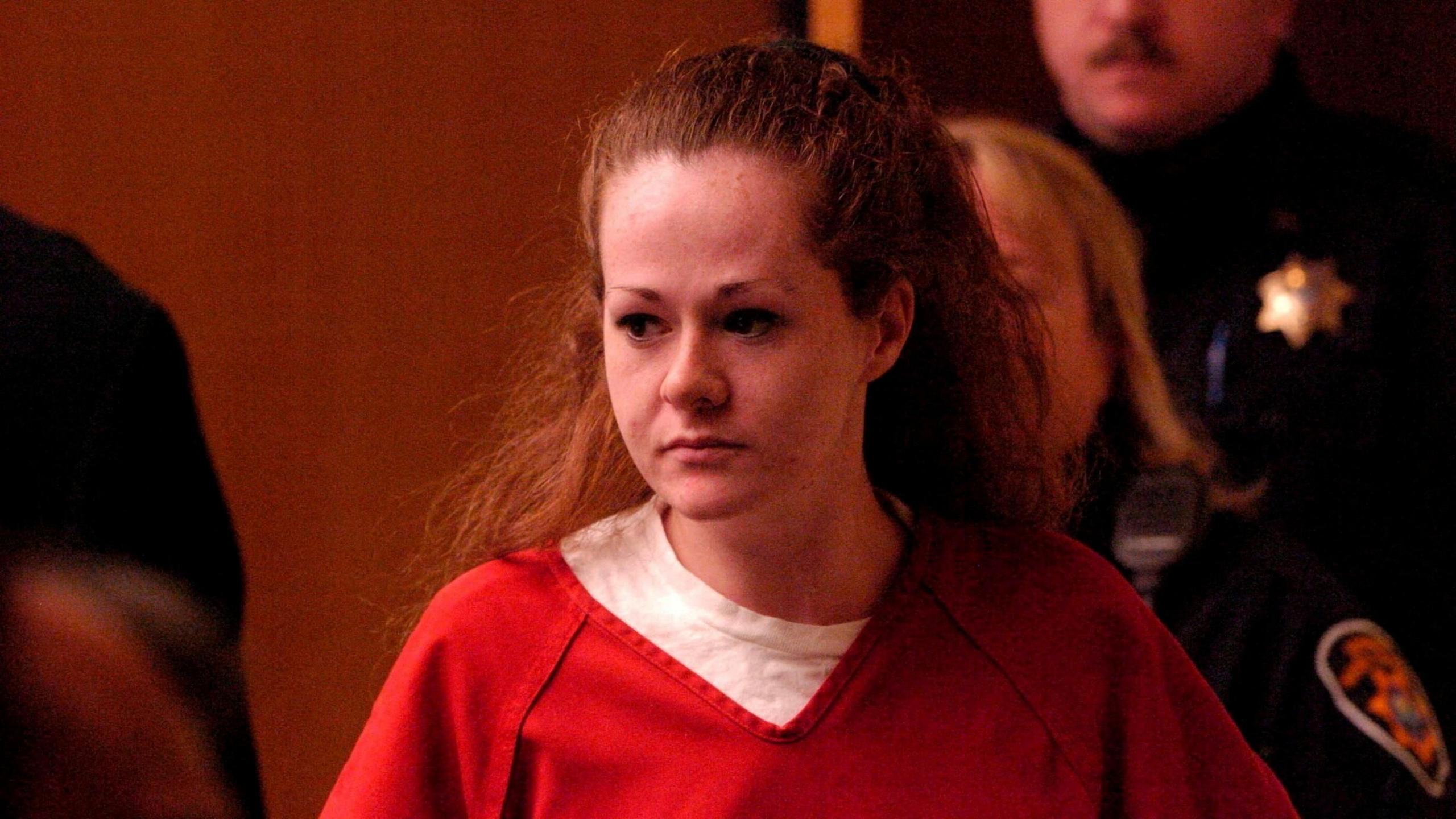
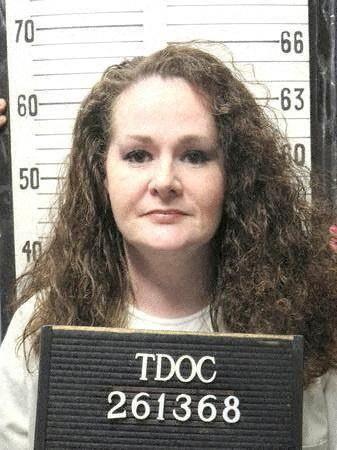
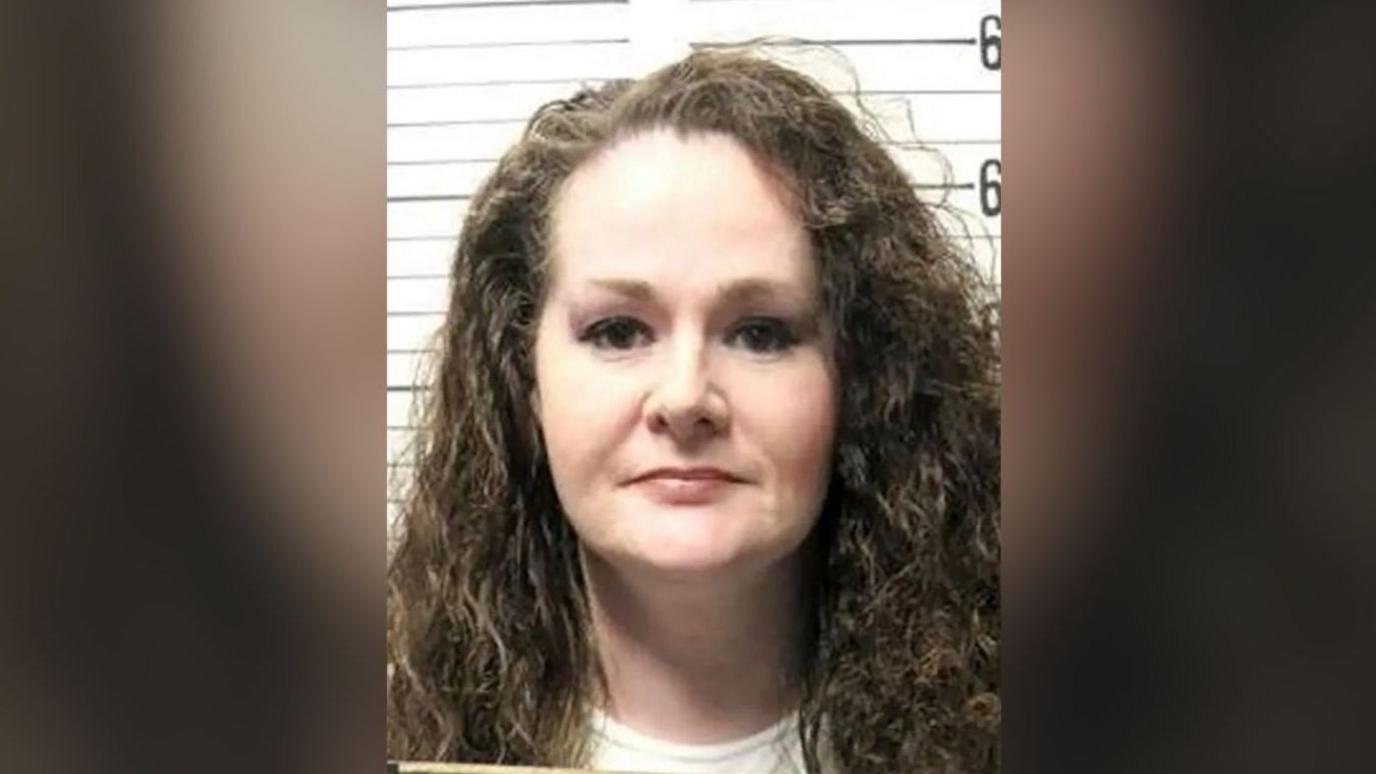
On 30 September, the state of Tennessee attempted to carry out a lethal‑injection execution of 50‑year‑old death‑row inmate Christa Pike. Two doses of the drug pentobarbital were administered, but they failed to stop her heart, leaving her in critical condition.
Pike, who has spent the last three decades in prison for the 1996 murder of 19‑year‑old Colleen Slemmer, recovered consciousness in the following days. In an extraordinary turn of events, she began speaking, asking, “Where am I?” and “Who are you?” – a development described as unprecedented by medical staff and her lawyers.
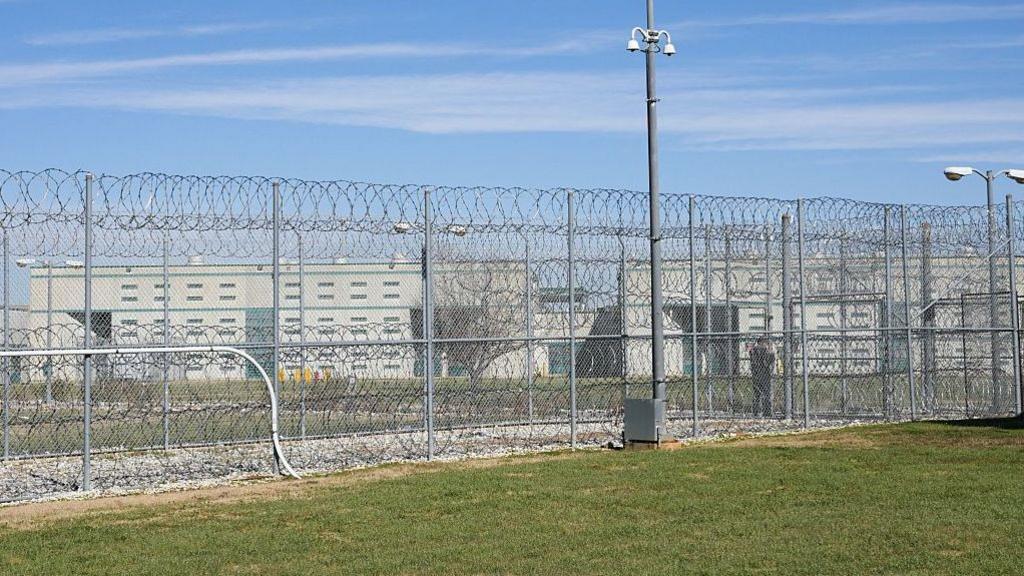
Lawyers for Pike, expressing gratitude for the medical team’s care, say she is now back at the prison where she will continue to receive treatment. They warn that her recovery will be prolonged and that the incident has left her with severe health complications, including pneumonia and swelling that hampers swallowing.
Tennessee officials have not yet announced whether Pike will be executed again, though a judge has ordered that all evidence from the failed injections be preserved, potentially paving the way for future litigation against the state. Pike’s case remains one of the most debated topics in U.S. capital‑punishment law.
Pike’s legal team has called for her sentence to be commuted to life in prison without parole. This appeal follows the death penalty’s limited use in the United States, with fewer than 30 states still practicing execution, and spurs renewed debate over the humanity and legality of lethal injections.
The case also highlights Tennessee’s historical context: Pike was the first woman scheduled for execution in the state in over 200 years, and the state’s last use of the death penalty dates back to the early 1990s.