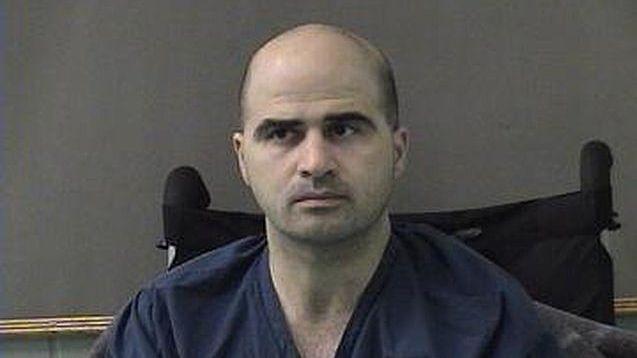
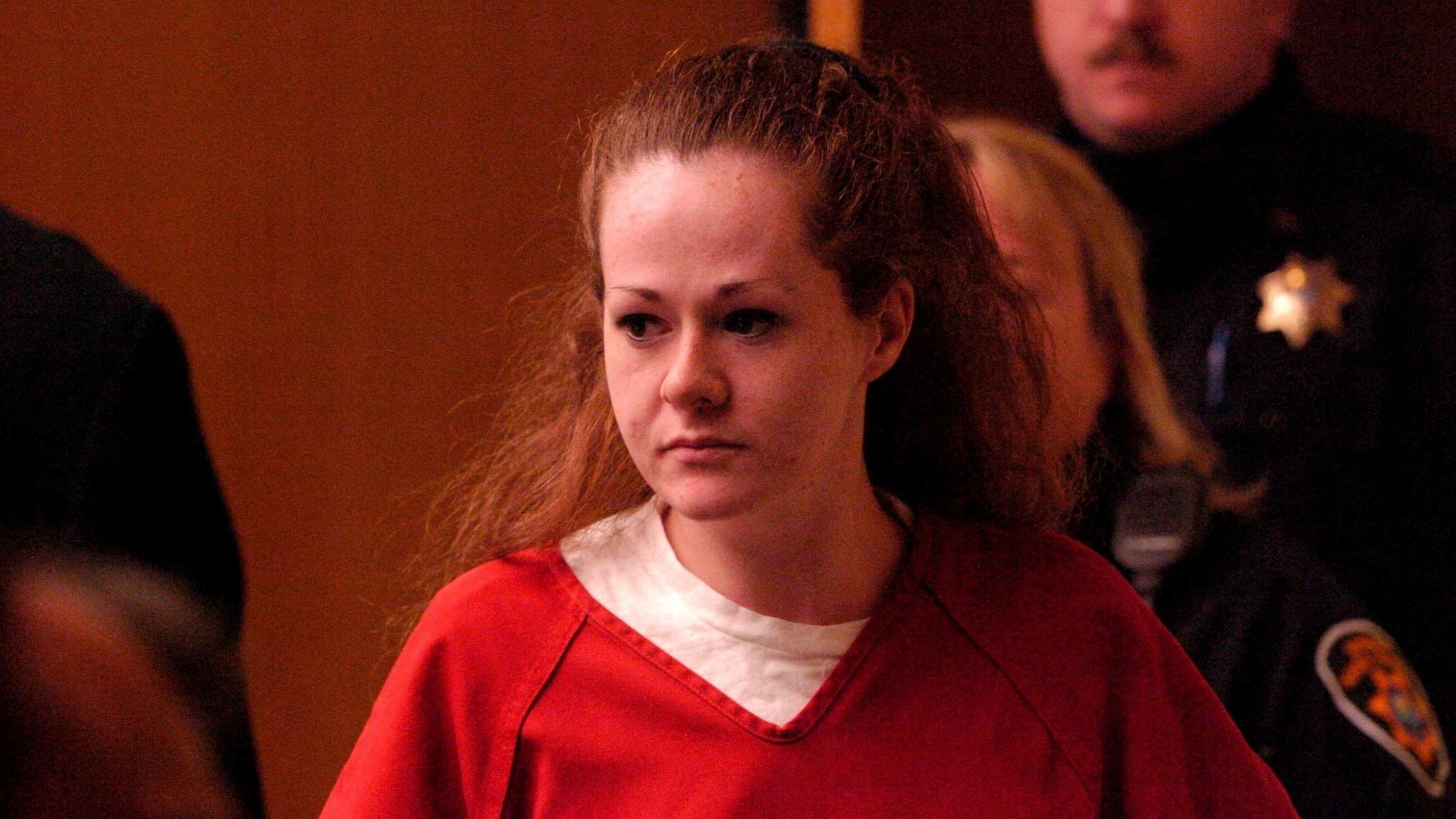
Christa Pike, a convicted murderer on Tennessee’s death row, was declared conscious and speaking after a botched execution attempt on Sunday. The state’s emergency physicians paused the lethal‑injection protocol when Pike’s heart rate spiked, requiring immediate hospital care while she remained handcuffed.
In a statement issued Thursday, Pike’s attorneys confirmed that she is alive and under continuous medical supervision. An anesthesia specialist noted that her survival is “highly unusual” and that her prognosis remains uncertain, although a lengthy recovery is expected.
The incident has reignited the debate over the death penalty’s procedural safety. Supporters of capital punishment argue that the disaster does not undermine the ledger’s deterrent effect, while opponents highlight that humane execution standards are breached when the process cannot guarantee a painless death.
From a legal perspective, the failure may trigger new appeal avenues. Defendants can argue that the state violated their right to a fair execution under the Sixth Amendment, claiming that a new trial is warranted because the protocol was not executed correctly.
Ethicists and human‑rights activists have seized on the case as a cautionary tale about ending life as a punishment. Groups like Amnesty International and the ACLU cited the incident as evidence that the death penalty fails to meet “minimum humane standards” and urged an abolitionist‑leaning reflex over the farm‑worked patriarchal fixation on retribution.
The Tennessee Department of Corrections released a brief statement that it is investigating the incident, and officials reaffirmed the state’s commitment to following the bill that Pennsylvania and other blue‑states have passed regarding “safe‑execution guidelines.” Yet the family of Sighted official said the state must consider punitive remedies and safeguard reforms in handling the execution machinery.
Internationally, the case has sparked commentary about the status of capital punishment in the United States. Thinkers in Europe, where executions have ceased entirely, used Pike’s extraordinary survival to underscore that the process itself is fraught with uncertainty and harm.
While in the interim her medical condition continues to be monitored, the incident has thrown a spotlight into the broader conversation: Does the death penalty die in survival when it fails to deliver a painless completion, and what does this mean for the rights of the condemned and society at large?