Russian glide bomb strike kills 20 in Zaporizhzhia
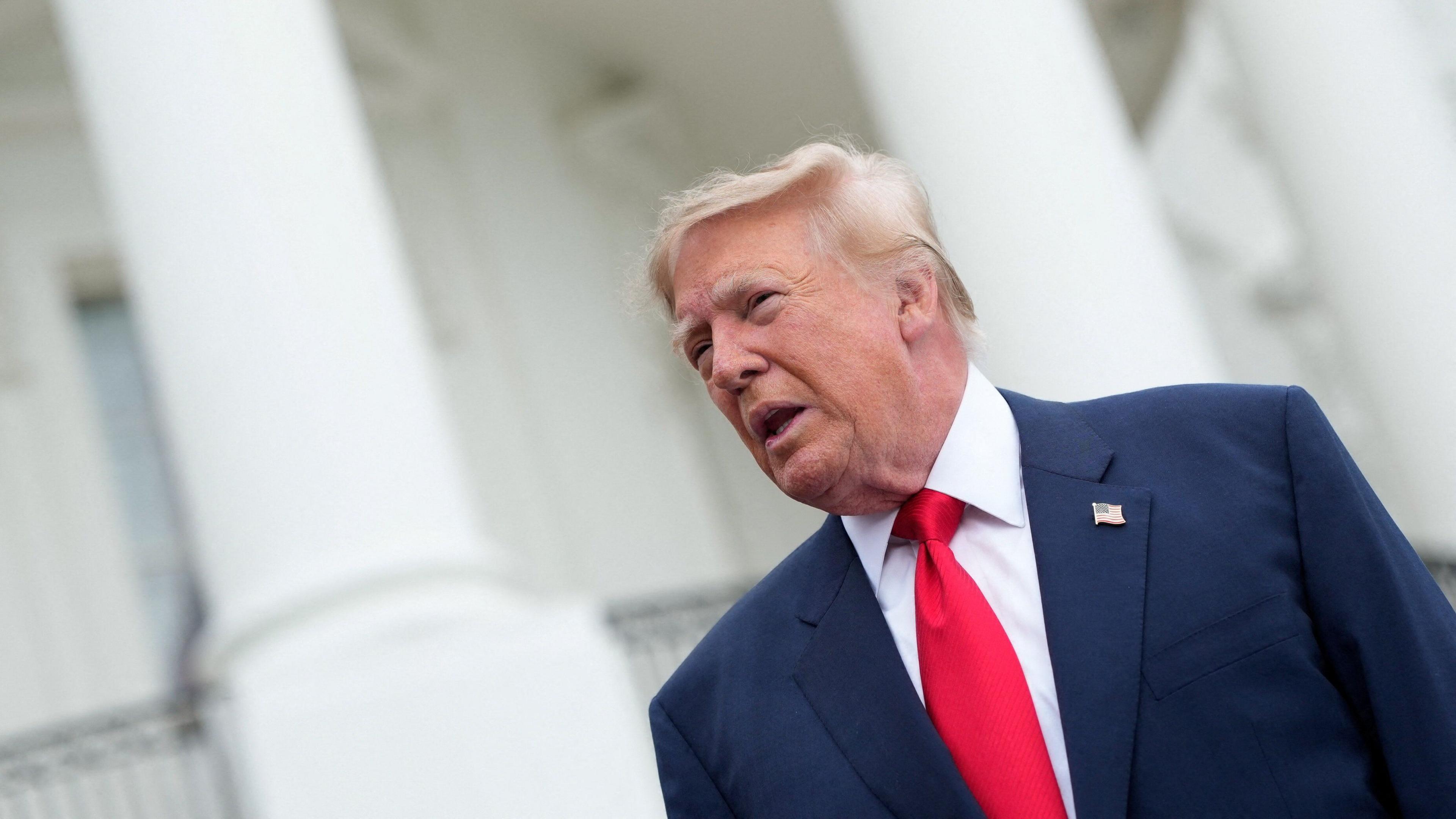
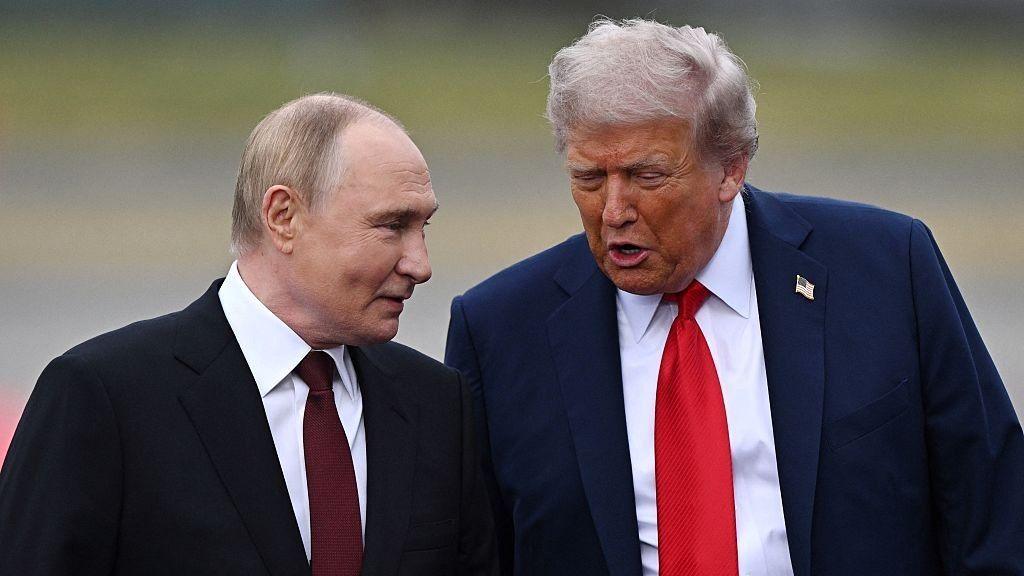
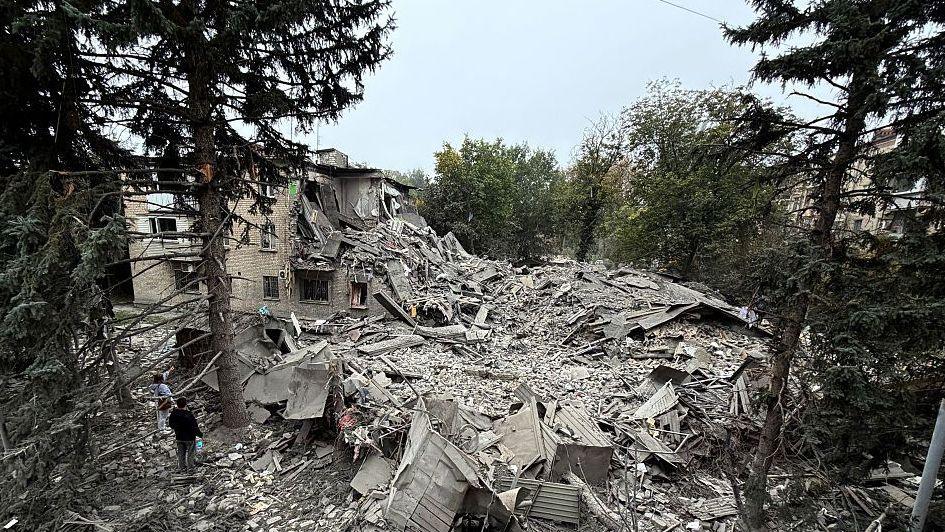
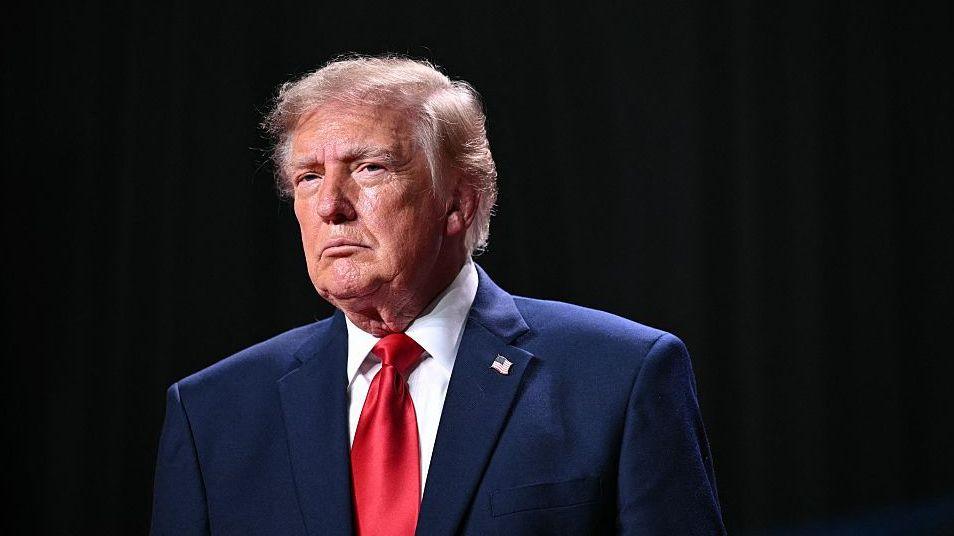
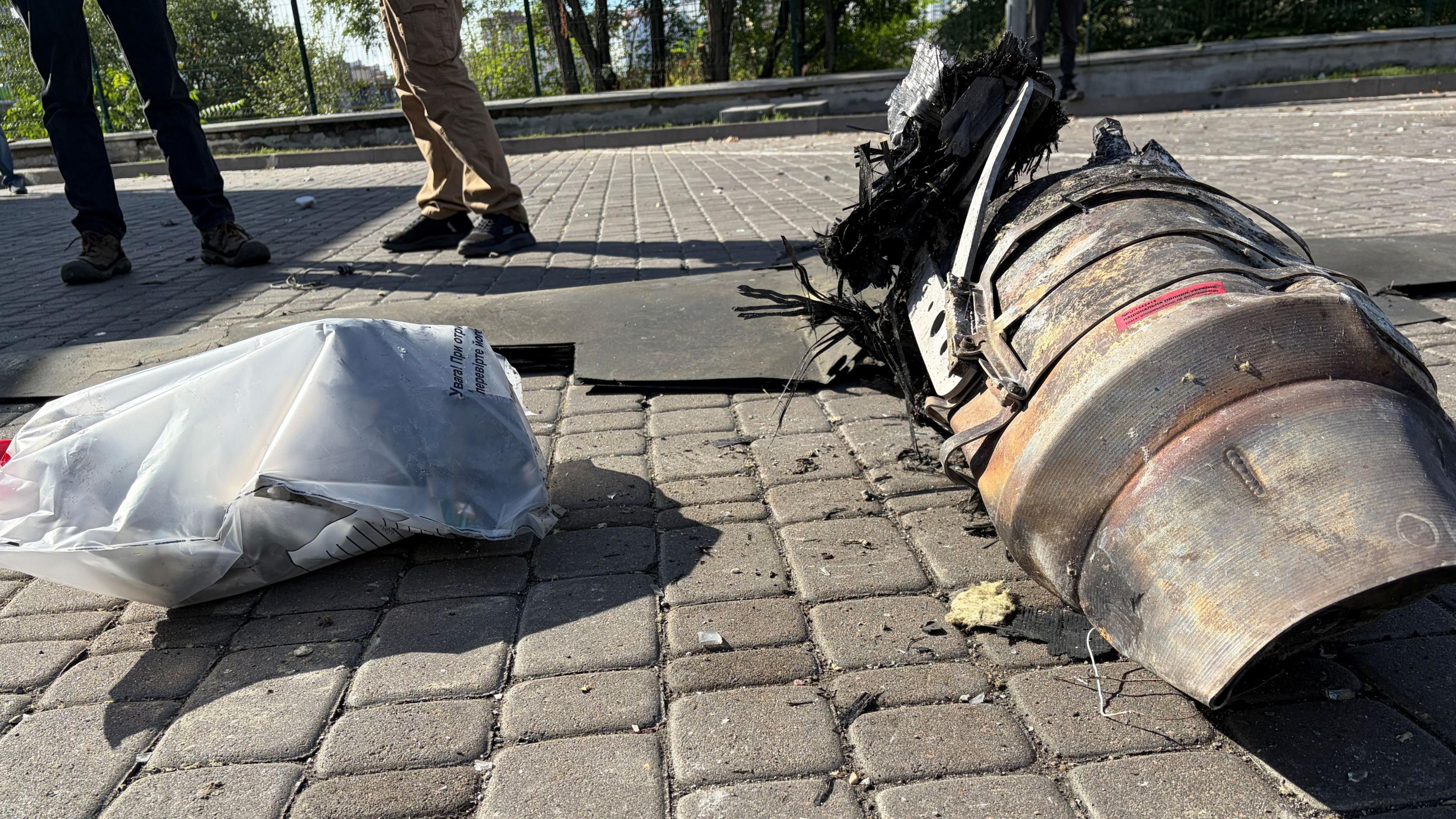
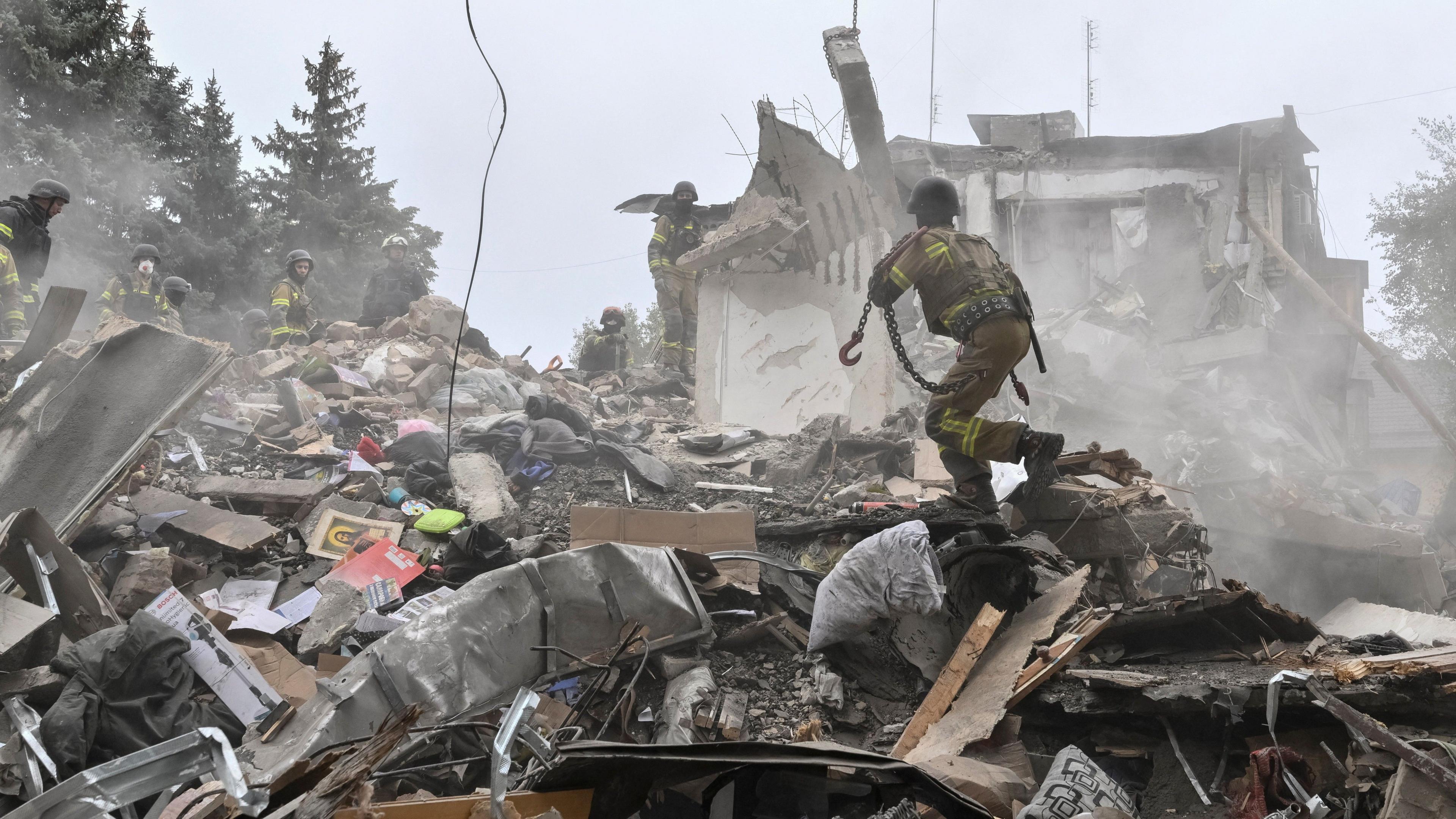
A night‑starting salvo of Russian glide bombs hit residential districts in the southern Ukrainian city of Zaporizhzhia, killing at least 20 people, including four children, and wounding 32 others, according to local officials. The attack comes the day after U.S. President Donald Trump announced a covert deal to ease sanctions on Russia in exchange for Russian diesel fuel imports, a move Ukraine’s president Zelenskiy has condemned as a gift to Vladimir Putin.
Acting Mayor Regina Harchenko told homeland media that the ground floor of a damaged apartment block was hit and that dozens more are believed to be trapped beneath the rubble. More than 80 rescue workers are still combing the site, listening for survivors and coordinating air‑evacuation if necessary.
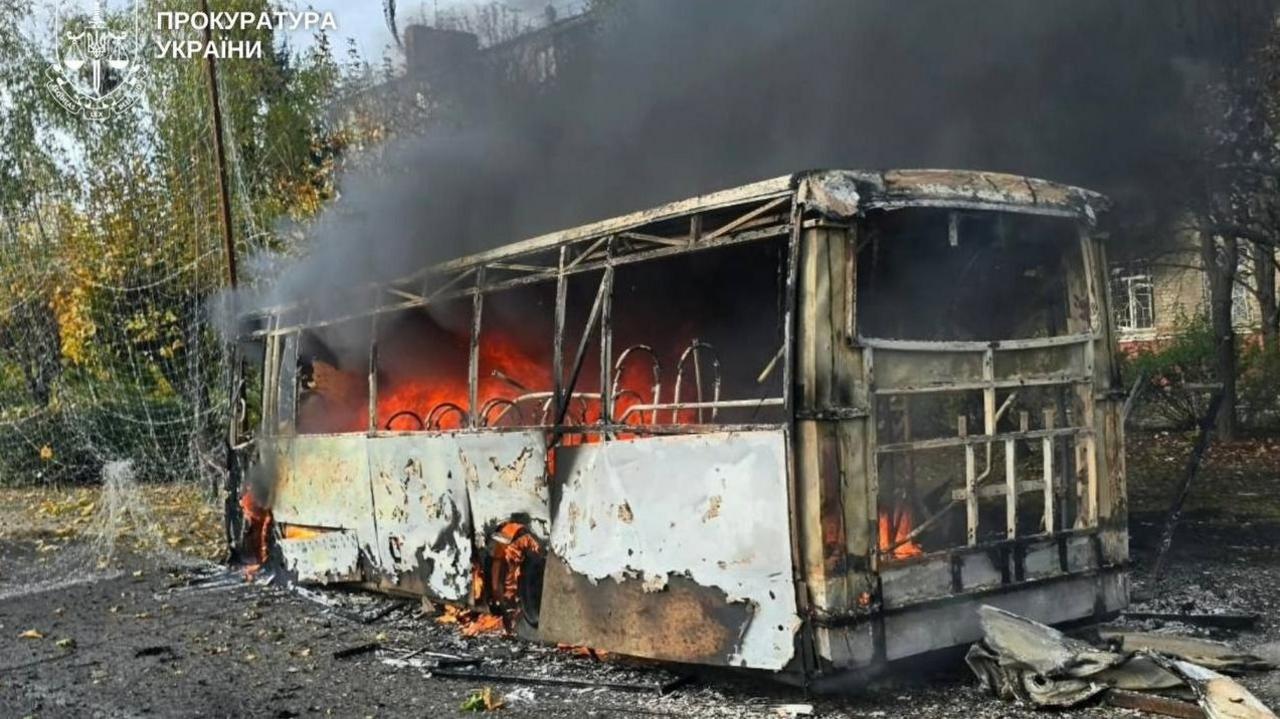
Zaporizhzhia, home to over 700,000 residents, sits less than 16 kilometres from the front line and is frequently targeted by Russian drones and missile strikes. The latest bombing follows other recent glide‑bomb attacks on civilian buses in Kramatorsk and on an apartment block in Pryluky, where casualties climbed to 33 and 22, respectively.
The U.S. diesel deal, announced just hours before the Zaporizhzhia strike, signals Washington’s attempt to lower fuel prices domestically before the mid‑term elections, attracting criticism from Ukrainian leaders who argue it undermines military pressure on Russia. Analysts say Russia perceives business‑as‑usual sanctions relief as a green light to intensify attacks on infrastructure and civilian targets.
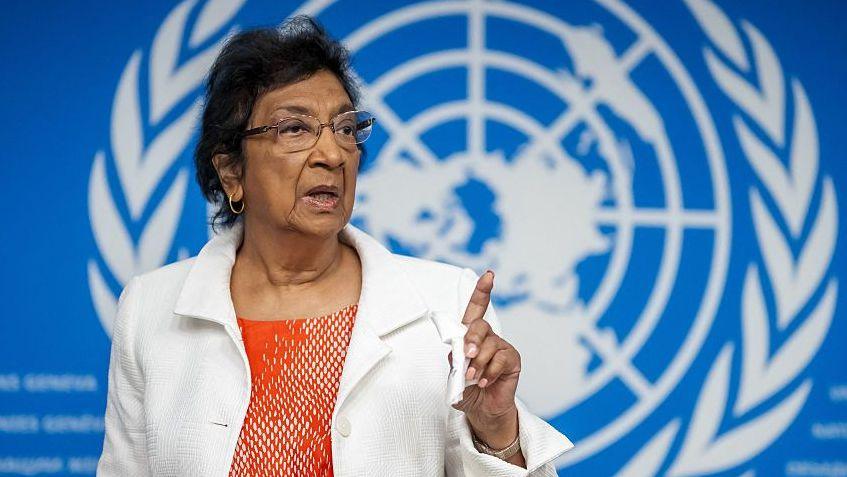
International bodies have noted a 55% rise in civilian casualties in Ukraine during the first eight months of 2026, according to the United Nations. The escalation of Russian strikes on energy facilities and data centres is driving Kyiv to retaliate by targeting infrastructure deep within Russian territory, a strategy meant to curtail the war machine’s revenue streams, the Ukrainian government claims.
The tragedy in Zaporizhzhia underscores how intertwined political gambits and military operations are in the broader conflict, with civilian populations bearing the cost amid shifting geopolitical calculations.