A rebel leader in eastern Democratic Republic of Congo, Corneille Nangaa, announced that his fighters will withdraw from the key city of Uvira following a request from the United States. This statement comes after US Secretary of State Marco Rubio highlighted that the rebels' capture of the city breached a peace agreement, leading the US to vow that steps would be taken to uphold commitments made by President Donald Trump.
Nangaa labeled the withdrawal a trust-building measure. The US has accused Rwanda of backing the M23 group, a claim that the Rwandan government has denied. Notably, Rwandan President Paul Kagame signed a peace accord with his counterpart from the Democratic Republic of Congo, Felix Tshisekedi, earlier this month in Washington under Trump's mediation.
The US administration has described the accord as historic, yet the M23, part of the Alliance Fleuve Congo coalition of rebel groups, did not participate in this agreement and is engaged in a separate peace process with guidance from Qatar.
According to Nangaa, the withdrawal is aimed at facilitating the Qatar-brokered peace negotiations and he has called for a neutral force to oversee a ceasefire and prevent the Congolese army from regaining lost territories. No timeline has yet been given for this withdrawal.
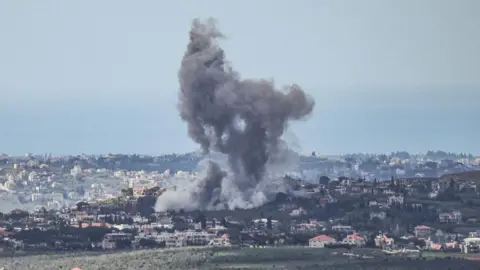
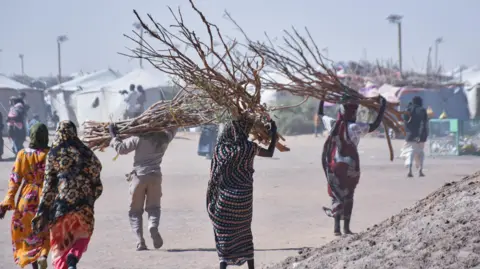
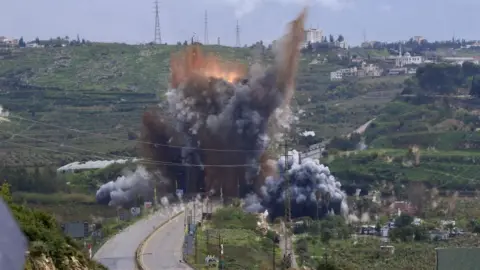
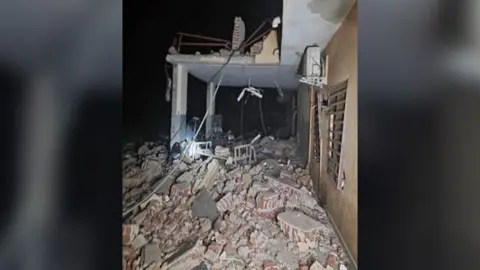
The M23's recent actions have intensified a humanitarian crisis in the central African region, with reports indicating that around 200,000 individuals have been displaced since fighting escalated earlier in the month. The UN has confirmed at least 74 fatalities, predominantly among civilians, and many more people wounded.
The ongoing conflict in eastern DR Congo has persisted for over three decades, with numerous peace initiatives failing to resolve the violence. The Trump administration aims for its diplomatic efforts to stabilize the region, which is rich in valuable minerals essential for modern technology, a case that has long drawn global attention.