The United Nations is at risk of imminent financial collapse due to member states not paying their fees, the body's head has warned.
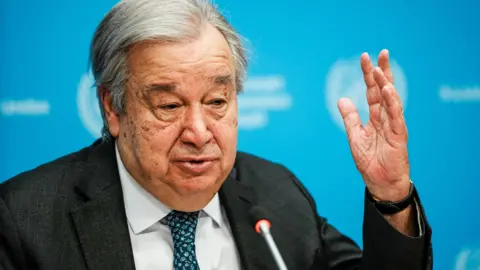
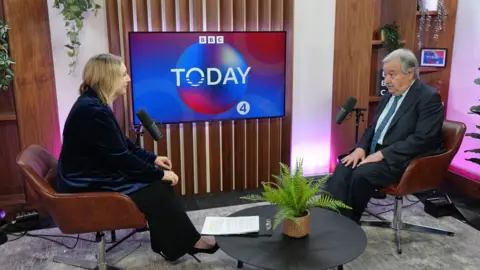
António Guterres said the UN faced a financial crisis which was deepening, threatening programme delivery, and that money could run out by July.
He wrote in a letter to all 193 member states that they had to honour their mandatory payments or overhaul the organisation's financial rules to avoid collapse.
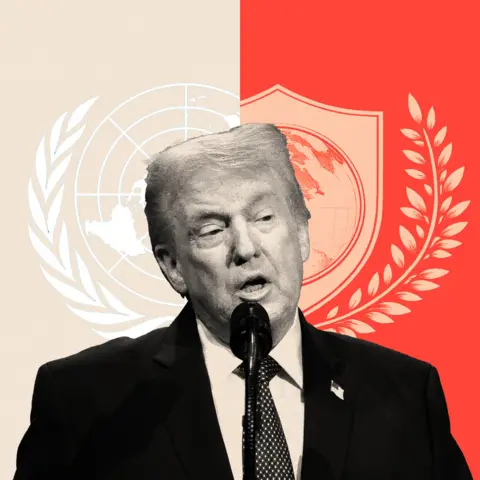
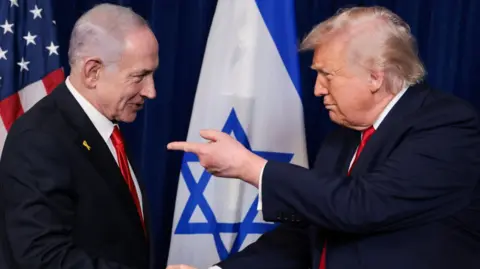
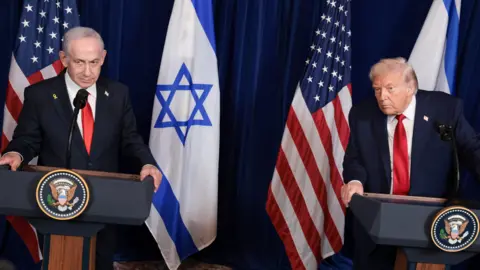
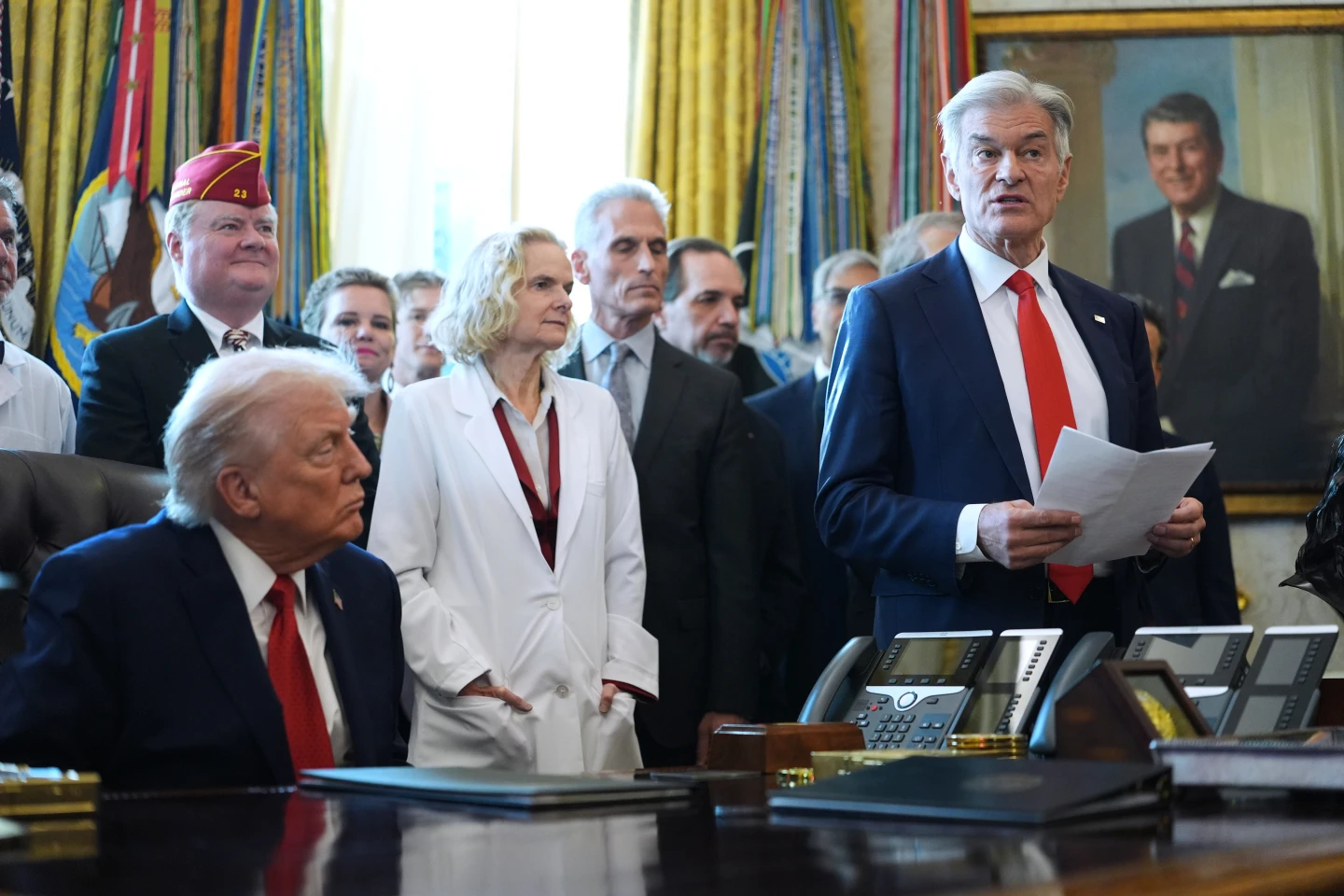
It comes after the UN's largest contributor, the US, refused to contribute to its regular and peacekeeping budgets, and withdrew from several agencies it called a waste of taxpayer dollars. Several other members are in arrears or are simply refusing to pay.
Though the UN General Assembly did approve a partial change to its financial system in late 2025, the organisation still faces a massive cash crisis compounded by a rule that means it is refunding money it never received.
At its headquarters in Geneva, signs warning of the situation have been put up everywhere. In an almost desperate attempt to save cash, the escalators are regularly turned off and the heating turned down.
Guterres wrote in his letter that the UN had faced financial crises in the past but that the current situation was categorically different.
He said the integrity of the entire system depended on states adhering to their obligation under the UN charter to pay their assessed contributions - adding that 77% of the total owed had been paid in 2025, leaving a record amount unpaid.
Guterres said a rule that the UN must return unspent money on particular programmes to members if it could not implement a budget created a double blow in which it was expected to give back cash that does not exist.
As a result, the UN is now returning millions of dollars it never actually had. The letter reads: Just this month, as part of the 2026 assessment, we were compelled to return $227m [£165m] – funds we have not collected.
He added, Either all member states honour their obligations to pay in full and on time – or member states must fundamentally overhaul our financial rules to prevent an imminent financial collapse.
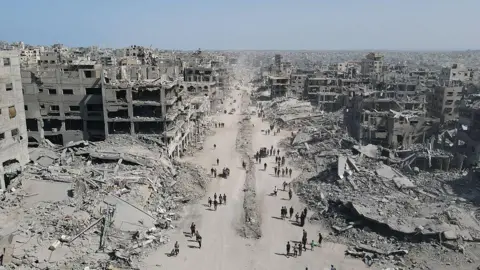
UN agencies rarely get all the money they ask for to tackle humanitarian crises, but the past 12 months have been particularly difficult. The US is the UN's largest contributor, but previous statements have indicated a shift in its approach toward funding.
Various countries, including the UK and Germany, have also announced significant reductions in foreign aid, likely affecting the UN's ongoing efforts.