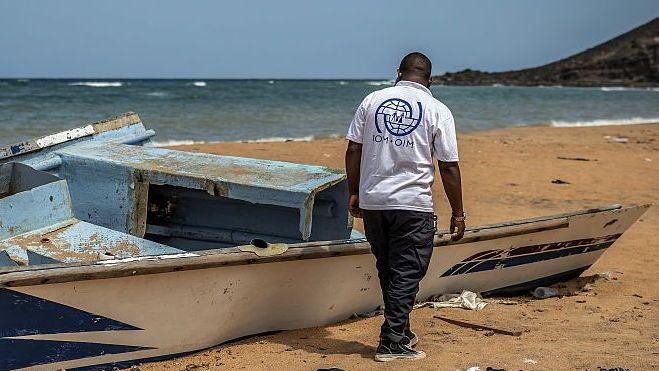
A passenger boat carrying 350 people sank off the south‑east coast of Djibouti on Thursday night, killing at least 109 migrants, 15 of them children, and leaving dozens still missing.
The vessel was headed for Yemen when it capsized near the port town of Obock. Only about 80 people were rescued, according to the International Organization for Migration (IOM).
"This is a devastating loss of life," said IOM Djibouti mission chief Alexandre Coissac, describing the incident as a stark reminder of the dangers migrants face while seeking a new life elsewhere.
The Larger Migration Context
Every year, tens of thousands of people from the Horn of Africa undertake the perilous journey to Gulf countries in search of safety and work. In 2025, more than 900 migrants died or went missing on the same route, a figure that rose 18% in 2026, according to IOM data.
Yemen remains engulfed in a decade‑long civil war, yet the demand for labour and the pull of the Gulf economies continue to drive migrants across the Bab el‑Mandeb Strait. The ongoing conflict, coupled with growing climate‑related hardship, keeps the route active.
Response and Aftermath
IOM is providing assistance to 64 survivors at a response centre in Obock, offering medical care and support to restore contact with families. Local authorities are also arranging burials for the deceased.
The agency stresses its collaboration with Djibouti authorities to prevent further deaths at sea and on land, highlighting the need for coordinated safety measures and stricter regulation of maritime crossings.
Previous incidents, such as a March 2026 capsizing that claimed nine lives and left 45 missing, underscore the persistent risk for migrants navigating this high‑pressure corridor.