As Syria emerges from the long shadow of Bashar al-Assad's regime, the nation confronts a new era under interim president Ahmed al-Sharaa. A year ago, the conflict turned upside down as rebel forces, led by al-Sharaa, took control of the capital. Many Syrians now feel a renewed sense of hope, relieved to be free from the oppressive weight of the Assad family.
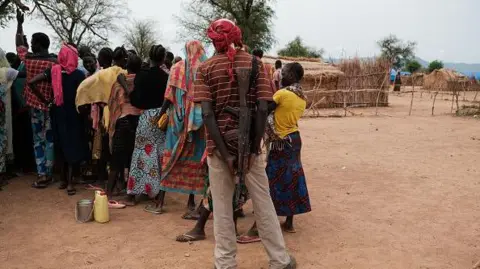
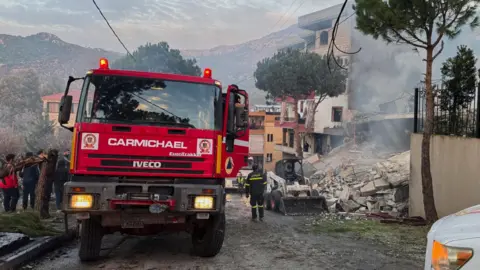
Yet, the country remains in ruins, with cities and villages devastated by years of warfare. While the atmosphere feels somewhat lighter, many citizens continue to live amidst the wreckage of shattered buildings, grappling with poverty and the aftermath of violence.
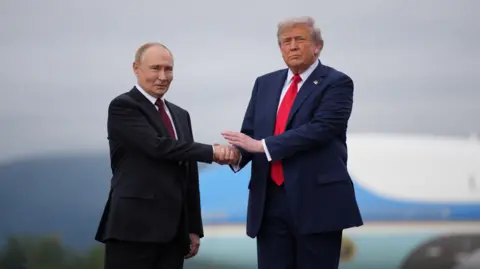
The Sharaa administration has garnered significant international recognition, managing to persuade Saudi Arabia and Western nations that it is the best chance for stabilizing Syria. Sharaa's meeting with U.S. President Trump marked a pivotal moment, as the U.S. lifted sanctions previously imposed on his government.
However, internal challenges persist. The new government struggles to exert control over key regions, particularly in the northeast where Kurdish forces hold sway, and in the south where the Druze community seeks autonomy. Alawi communities also remain apprehensive after experiencing violence last year, deepening sectarian rifts.
Reports from the UN human rights office highlight a slow pace of justice for the many violations committed during the conflict. Local communities have taken matters into their own hands amidst this lawlessness, which has led to an escalation in violence.
As the Sharaa administration seeks to rebuild, it faces the daunting task of establishing a unified government framework while also negotiating with external powers, particularly Israel, which continues to carry out military operations in the region.
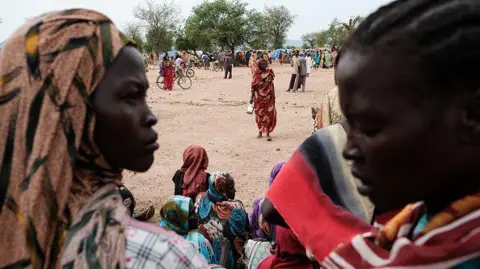
With a future clouded by uncertainty and the specter of returning violence, Syrians like Umm Mohammad express their fears and long for safety, reflecting broader concerns about Syria's path ahead. We want safety. We go to sleep and wake up afraid, she laments, underscoring the deep scars the conflict has left behind.