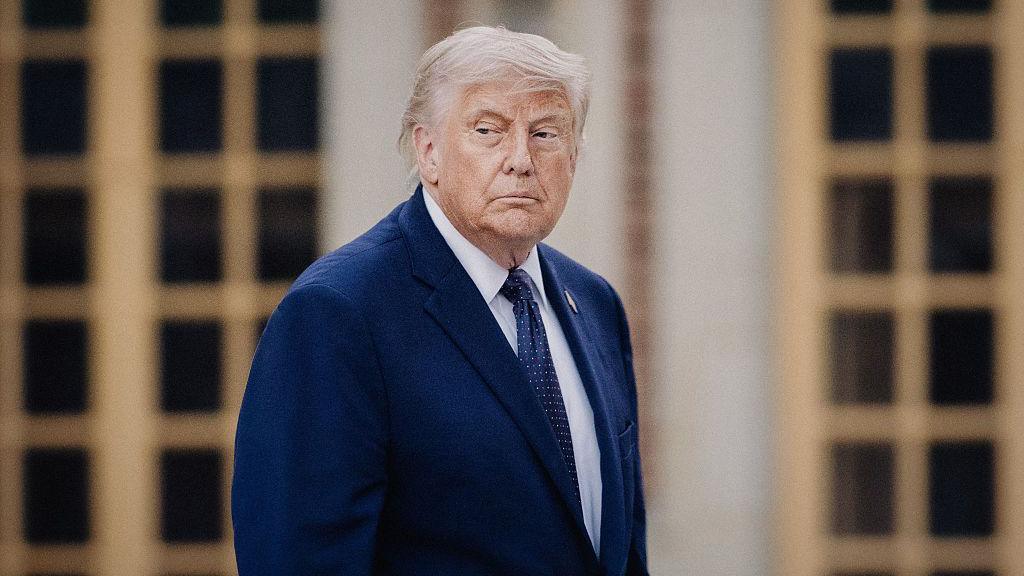
From a lectern at the White House, US President Donald Trump offered his latest assessment on how long the US-Israeli war with Iran might last. Speaking on Wednesday night in his first televised national address on the war since he launched it in late February, Trump said the US was on track to achieve its military objectives in Iran shortly, very shortly. Trump reminded Americans that the conflict had so far been shorter than years-long wars such as World War Two and the Vietnam War, then gave an updated timeline. Over the next two to three weeks, we're going to bring them back to the Stone Ages, where they belong, he said. The remarks were far from the first time that Trump, or senior members of his administration, have volunteered a timeline. When Trump announced the start of his operation on 28 February, he said it would proceed as long as necessary to achieve our objective. Since then, the president has oscillated between saying the US has already won the war and that the military campaign will continue for a number of weeks, usually ranging between two and six. The six-week mark of the war will fall on 11 April. Analysts who spoke to the BBC said it was typical for a US president to offer a timeframe for a conflict in an attempt to win favour with the public - only to then shift their estimates. But the approach of the Trump administration had been unique, one expert said. US Defence Secretary Pete Hegseth has appeared to suggest that there could be a tactical advantage to the apparent fluidity. Answering reporters' questions on Wednesday, he said: Don't tell your enemy what you're willing to do or not do, and don't tell your enemy when you're willing to stop. Trump's timeline adjustments are atypical, showcasing a shifting narrative that stands out among historical precedents of U.S. military engagements.
The Iran War: A Timeline of Trump's Promises and Predictions
The Iran War: A Timeline of Trump's Promises and Predictions
As President Trump announces new timelines for the ongoing Iran war, we analyze the evolving statements from his administration regarding the conflict's duration and objectives.
In a recent address, President Trump provided an updated timeline for the Iran war, stating that the U.S. was on track to accomplish its military objectives within weeks. This marked one of many shifting timelines put forth since the war began, a notable aspect of Trump's approach to foreign conflict management. Experts suggest that despite the typical practice for U.S. presidents to offer assurances about the duration of military operations, Trump's administration has been particularly inconsistent in their messaging.