Russia Hits Back at Europe's Big Plan to Loan Moscow's Frozen Cash to Ukraine
Ukraine is experiencing severe financial strain as it continues to contend with the ongoing war against Russia. The European Union (EU) seeks to address this by proposing to use frozen Russian assets—amounting to €210 billion currently held in Belgium's Euroclear bank—to support Ukraine's military and economic needs.
As the EU gears up for a critical summit, Russia's officials have denounced the plan as an act of theft. In response, the Russian central bank has initiated legal proceedings against Euroclear, highlighting the contentious nature of handling these frozen assets.
Debate Over the Use of Frozen Assets
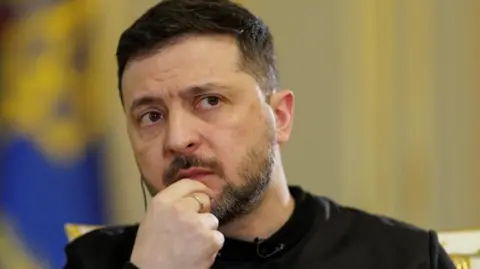
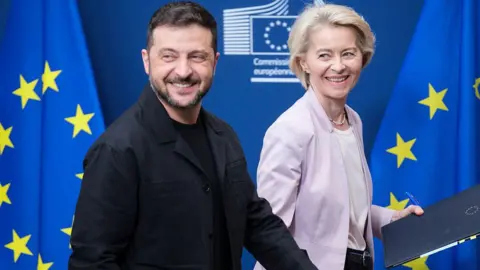
With the EU's plan to provide Ukraine access to funds dubbed as a reparations loan, Ukraine's President Volodymyr Zelensky has argued that it is only just to use the frozen assets to rebuild what Russia has destroyed. However, Belgium's Prime Minister Bart de Wever has expressed concerns about the implications of the plan, particularly the financial risks Belgium might face if complications arise.
Negotiations are ongoing as European leaders seek a framework that most member countries can agree upon, especially ensuring that Belgium’s fears regarding potential financial liabilities are addressed.
Implications for the European Financial Framework
The EU has faced pressure from various member states, many of which are keen to implement the solution quickly to alleviate Ukraine's financial burden amid declining military aid. The urgency stems particularly from nations bordering Russia that perceive the proposal as not just financially feasible but necessary for European security.
As part of contingency planning, EU officials are looking at measures to protect these assets as they navigate potential legal risks associated with using funds originally tied to Moscow.