The World Health Organization has sought further details from Russia after a scientist died at a plague laboratory in Siberia.
The circumstances of the fatality are still unclear, but Russian officials say all colleagues who had contact with the researcher tested negative for pneumonic plague. The incident has drawn comments from the United States, the United Kingdom and WHO, underscoring the global stakes of laboratory safety.
What is pneumonic plague?
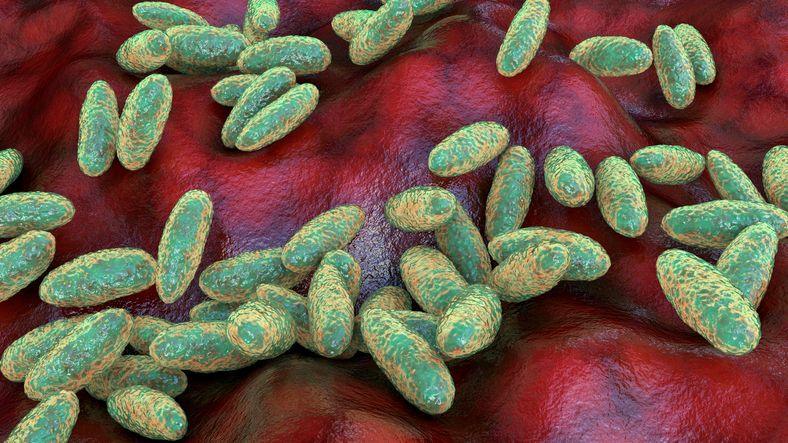
Pneumonic plague is a severe lung infection caused by the bacterium Yersinia pestis. It is the most virulent form of plague among the three main types: bubonic (affecting lymph nodes), septicemic (affecting the bloodstream) and pneumonic (affecting the lungs). Symptoms include shortness of breath, chest pain, coughing up blood and rapid progression to respiratory failure. While rare, it has historically caused devastating pandemics, most notably the Black Death of the 14th century.
Global estimates of plague cases—including all forms—range from 1,000 to 3,000 annually, with most being bubonic cases in sub‑Saharan Africa. Pneumonic cases, though less common, appear in Russia, India, China and the United States.
Prof Piero Olliaro of Oxford notes that Yersinia pestis persists in rodent reservoirs worldwide, with about 200 species capable of carrying the bacterium. Continuous surveillance and effective antibiotic treatment remain the best tools to limit outbreaks.
How does it spread?
The bacterium is naturally carried by small mammals and their fleas. Human infection typically begins with a flea bite or handling of an infected animal. Pneumonic plague can transmit directly between people through coughing droplets—especially in close contact.
The disease can also arise when a septicemic infection spreads to the lungs. Although models suggest that pneumonic plague was a dominant form of the Black Death, modern understanding indicates it remains a viable threat where rodent populations thrive.
Can it be treated?
If detected early, pneumonic plague responds well to antibiotics. WHO states the incubation period can be as short as 24 hours; delayed treatment often leads to high mortality.
Dr Malick Gibani of Imperial College stresses that untreated cases can approach 100% fatality, though exact figures vary. Early treatment, post‑exposure prophylaxis for high‑risk individuals and quarantine measures are recommended.
Regarding the Siberian case, the cause remains uncertain. Russian officials report no microorganisms linked to the researcher’s work were detected. Meanwhile, the US CDC highlighted no broader threat to the United States, and the UK Health and Safety Authority described the risk to the British public as very low.
The incident illustrates the delicate balance between advancing scientific knowledge—such as vaccine development and antimicrobial research—and ensuring stringent biosafety protocols. Transparent investigations and international cooperation are essential to prevent future accidents and to prepare for possible outbreaks worldwide.