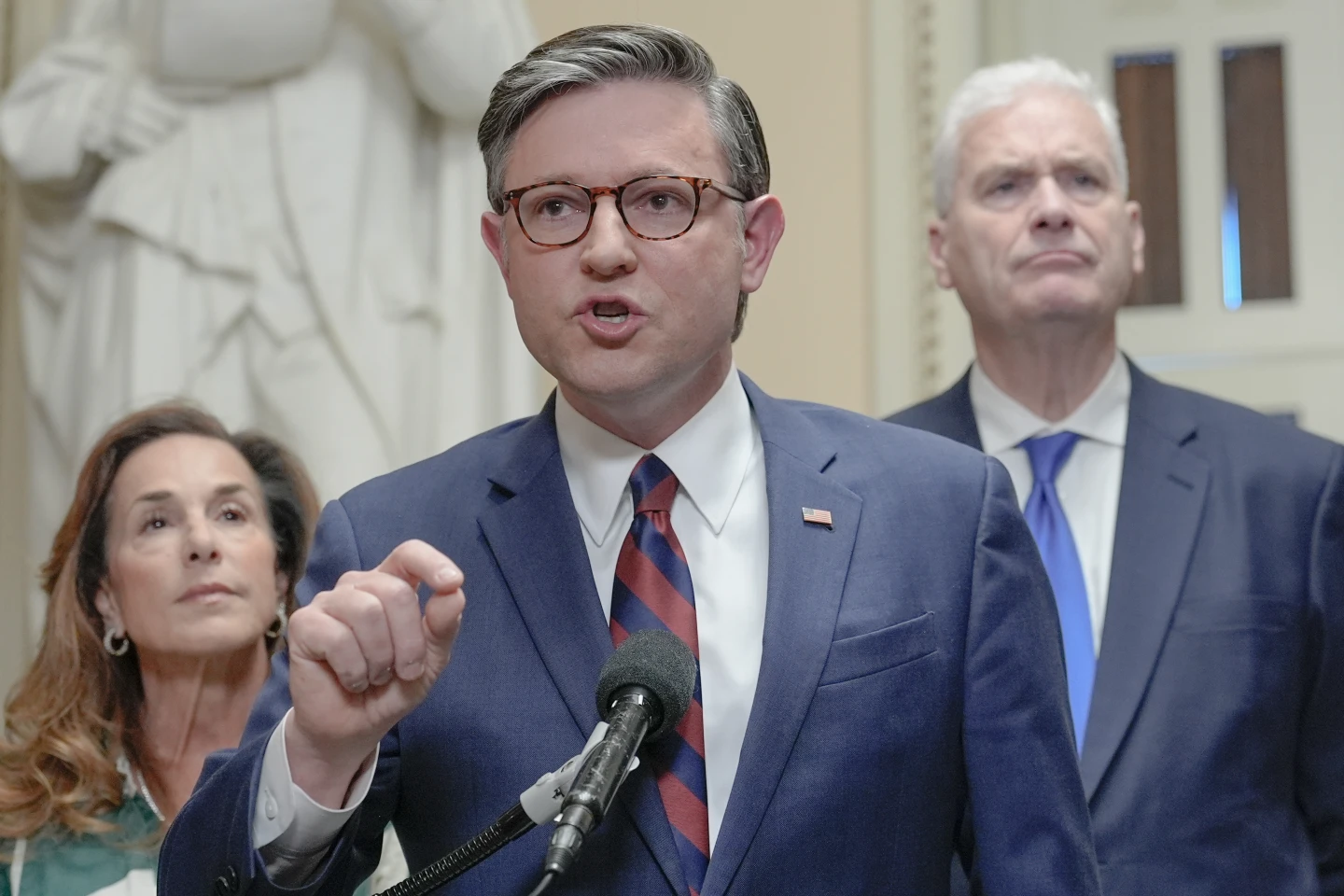
WASHINGTON — The recent partial government shutdown that began this Saturday presents a significantly different scenario compared to previous closures, largely due to its anticipated short duration. Lawmakers in the House are expected to act swiftly on funding legislation when they reconvene on Monday, which could effectively end the shutdown.
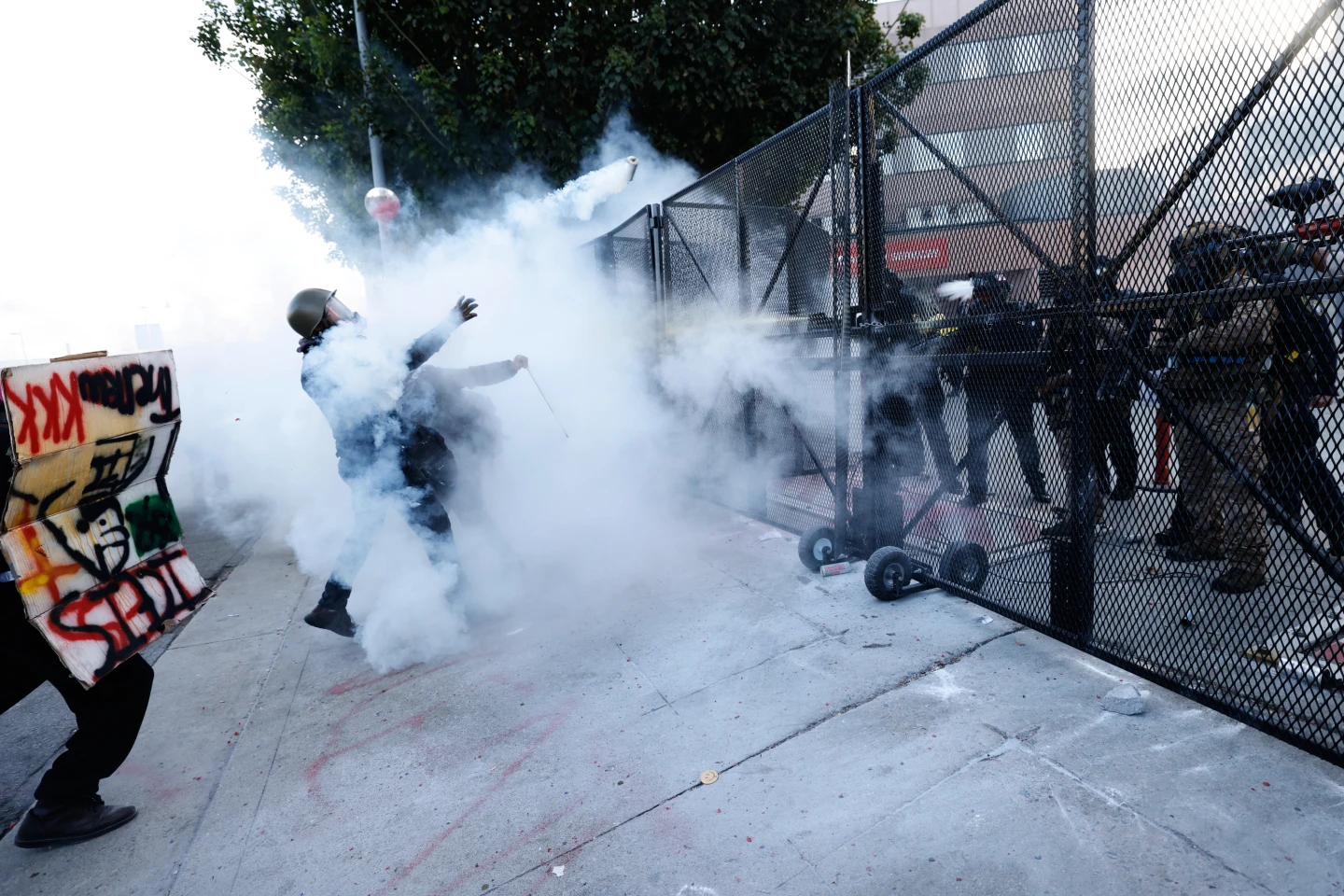
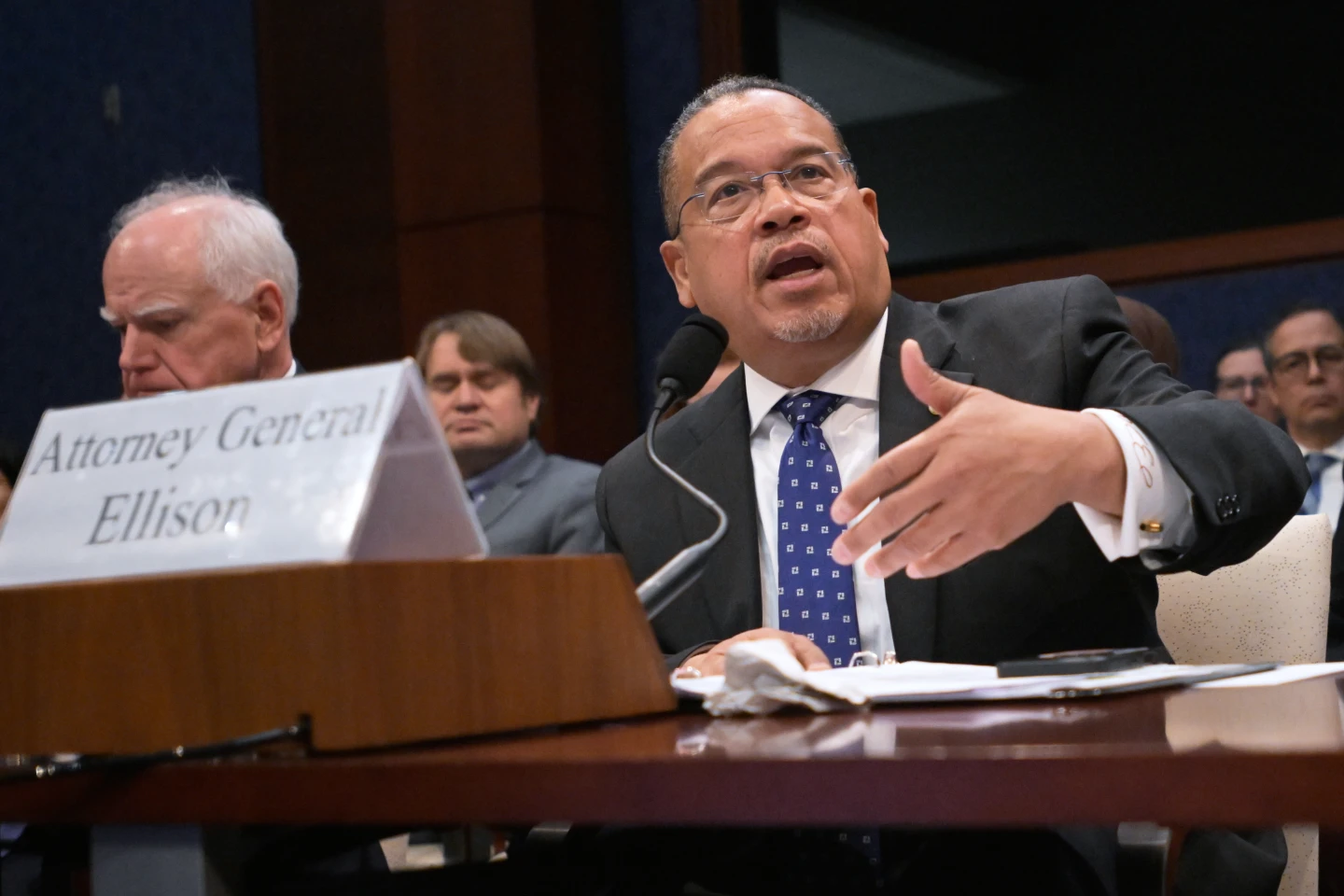
The current budgetary impasse stems from rising tensions following the recent shootings of two U.S. citizens, which led to demands from Democrats to amend key funding bills for the Department of Homeland Security (DHS) and other agencies.
Crucially, while this budget lapse will delay funding for several important agencies, essential services such as nutrition assistance programs will remain unaffected thanks to previously passed appropriations for this fiscal year.
Context of the Shutdown
While Democrats had initially found common ground with their Republican counterparts in Congress, the tragic deaths of Alex Pretti and Renée Good at the hands of federal agents shifted the landscape, prompting calls for more stringent immigration enforcement regulations to be included in government funding legislation.
These demands contributed to a halt in negotiations, highlighting deep political rifts over immigration policy that have intensified in recent months.
Status of Impacted Agencies
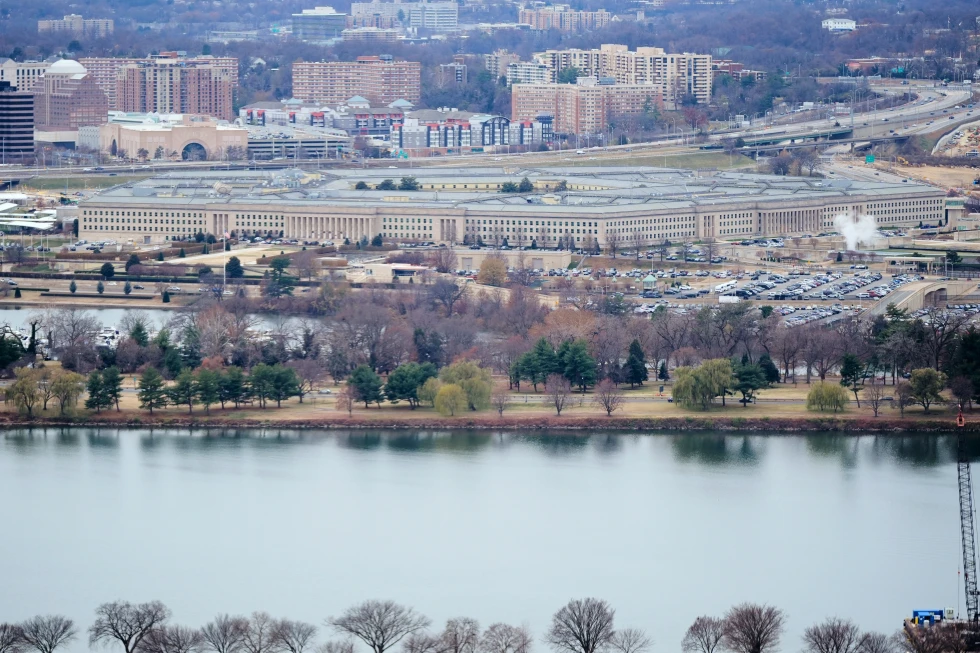
As it stands, funding will be temporarily suspended for the Pentagon, the Department of Homeland Security, and the Department of Transportation. While some federal employees may face furloughs or disruptions in pay, critical operations will continue.
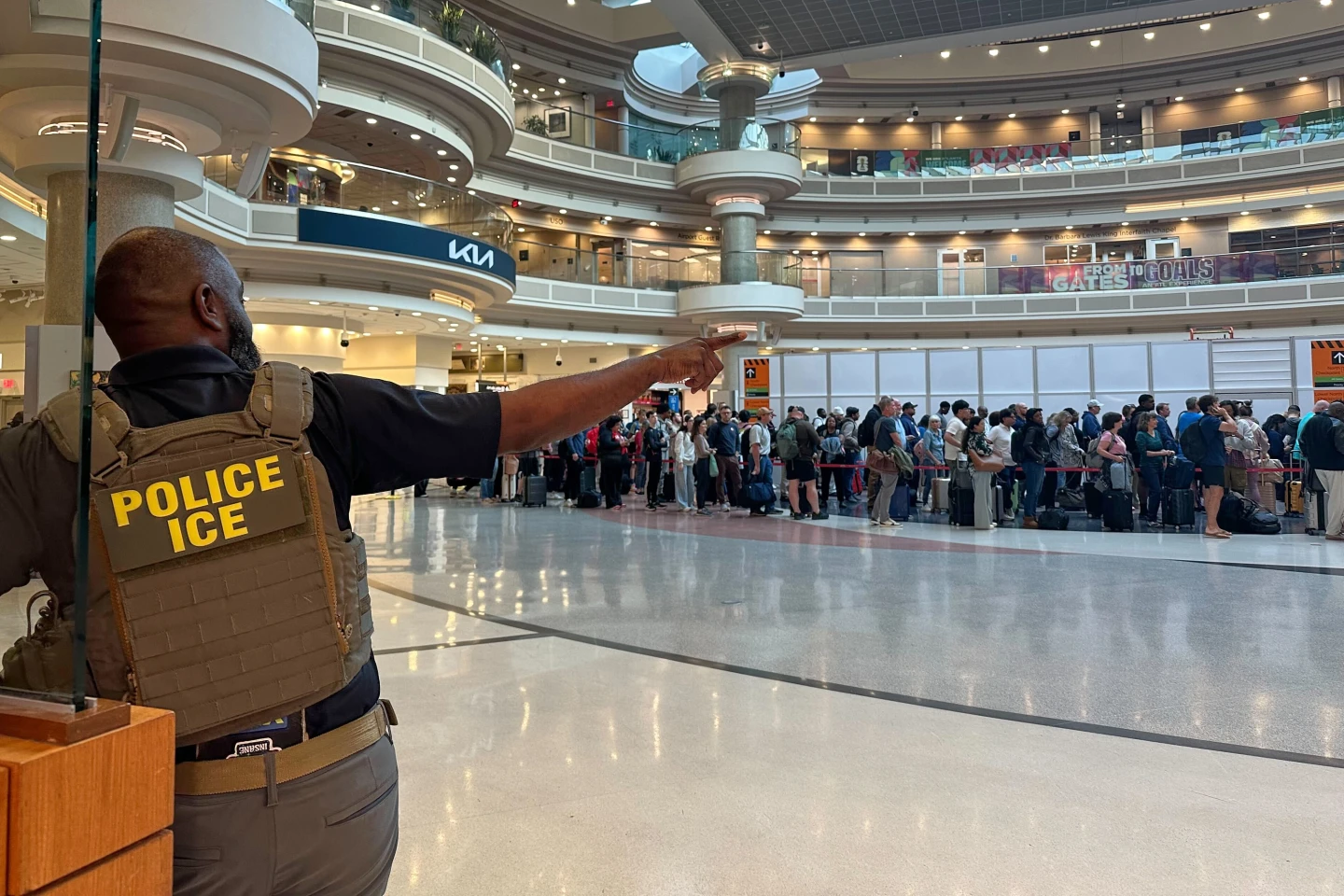
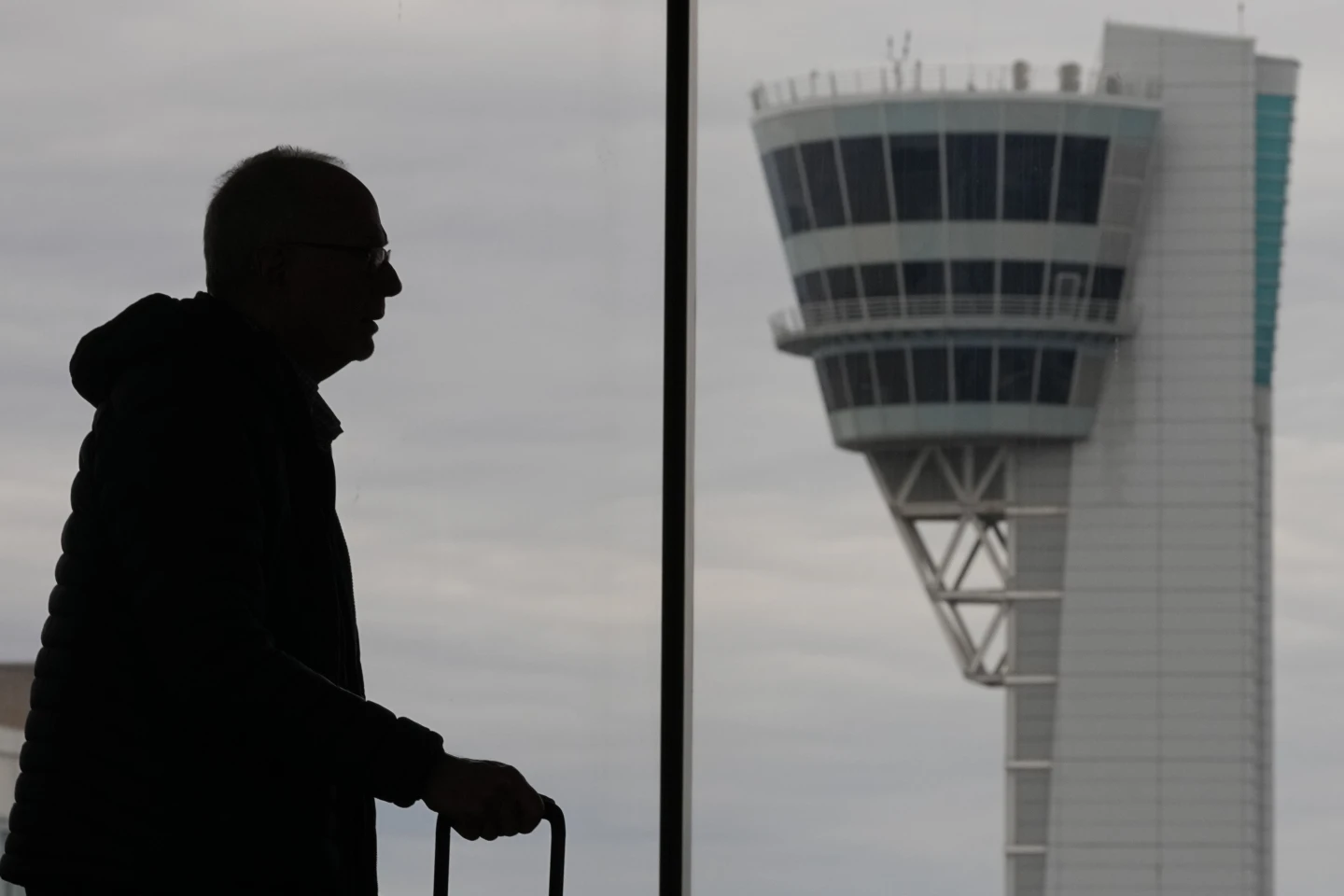
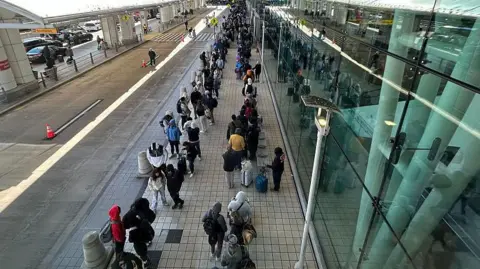
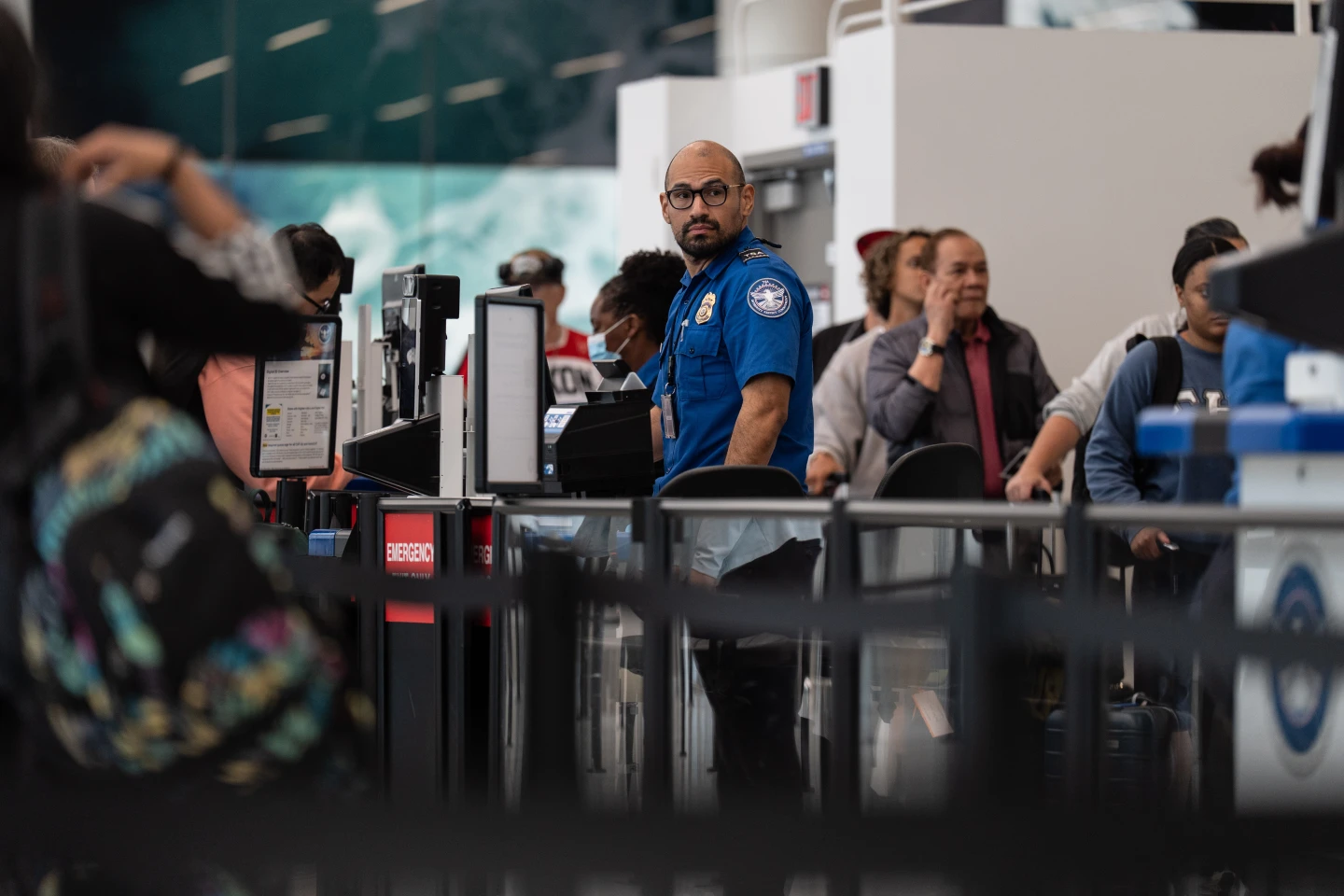
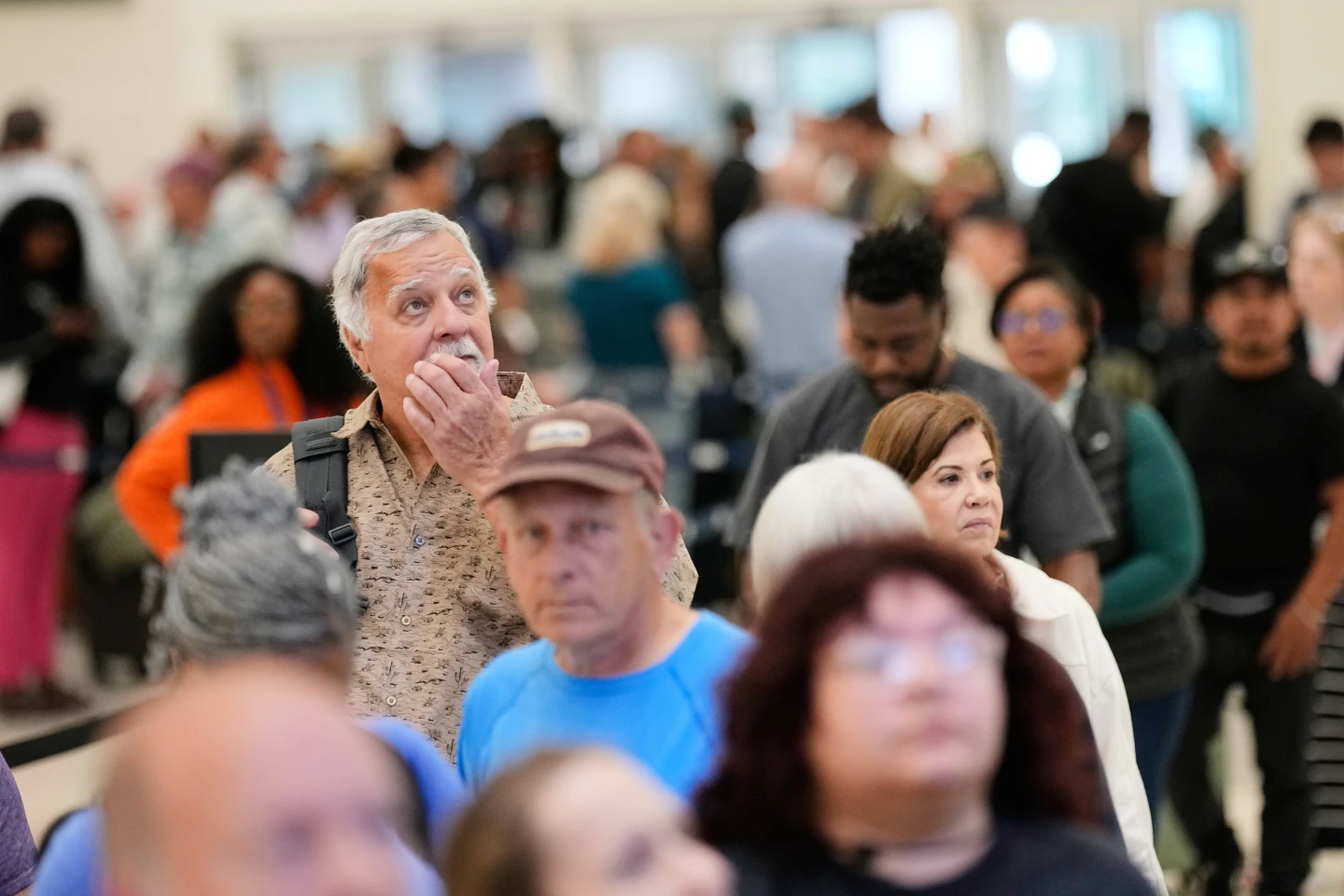
In the past, brief shutdowns have resulted in minimal impacts on public services, with the most recent temporary closures not significantly affecting government operations or citizen services. The last notable shutdown witnessed quirks, like lengthy lines at airports and delays in travel, yet such disruptions were generally short-lived.
Future Funding Prospects
With bipartisan negotiations ongoing, there's optimism that funding will stabilize soon. Under a temporary agreement, the White House has consented to continue spending on DHS at present levels for another two weeks as discussions continue. This should allow agencies to prepare adequately for the continuing winter storm that has been impacting various regions.
Conclusion
As Congress prepares to return and tackle funding issues, many hope that the cooperation previously seen will return, enabling a quick resolution to what remains a contentious political landscape. The priority remains on securing essential government services while addressing complex immigration issues intertwined with budget discussions.