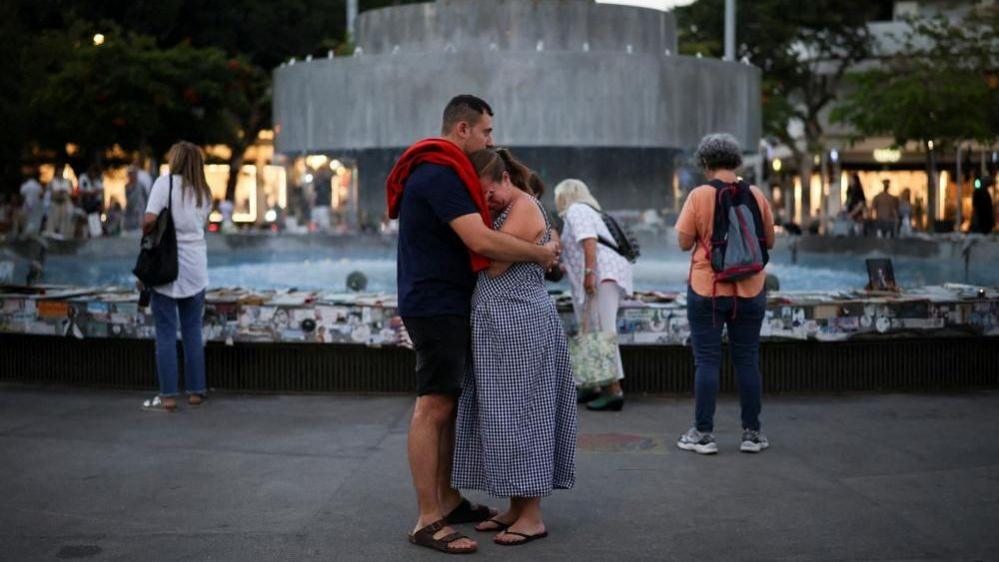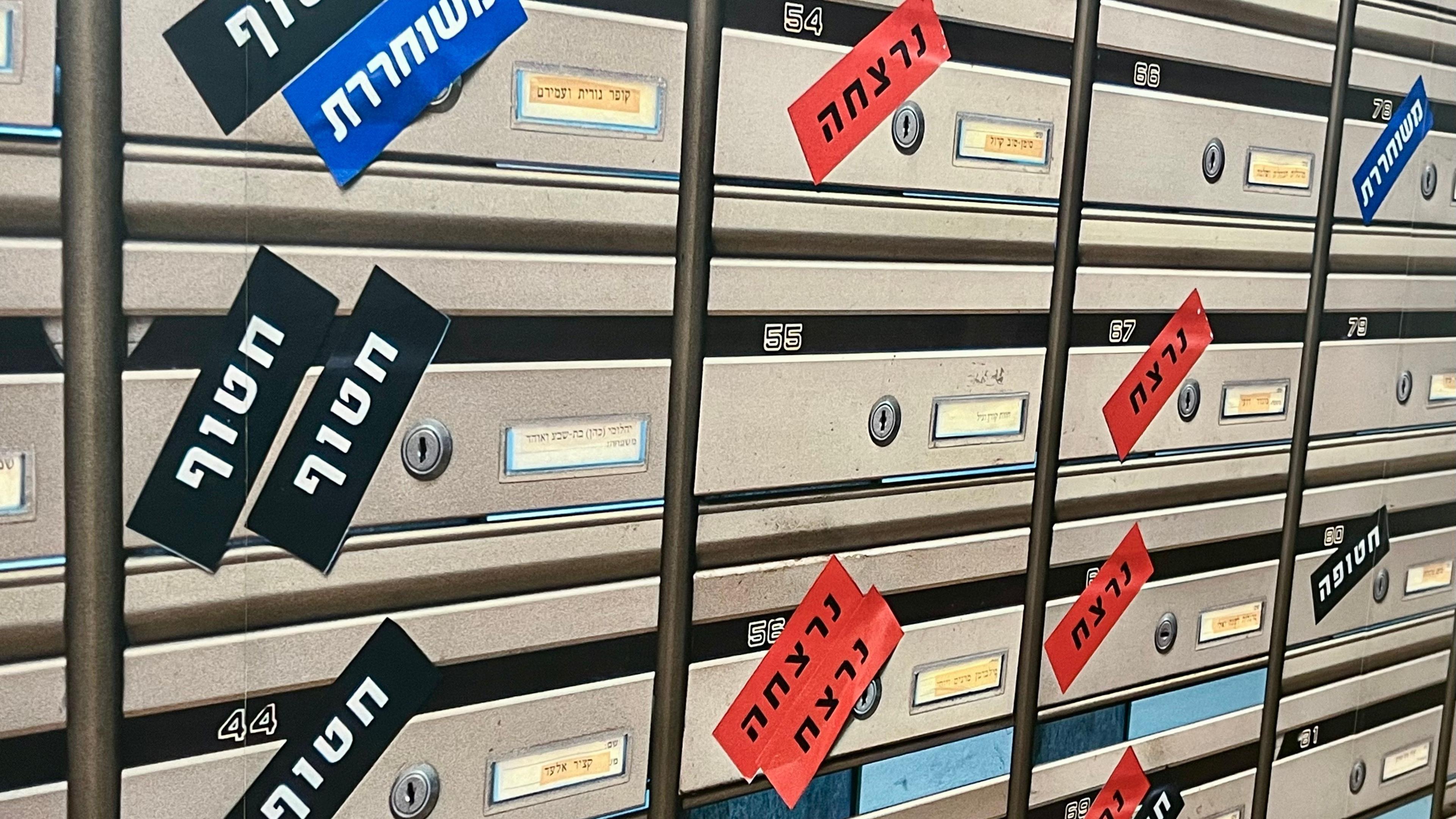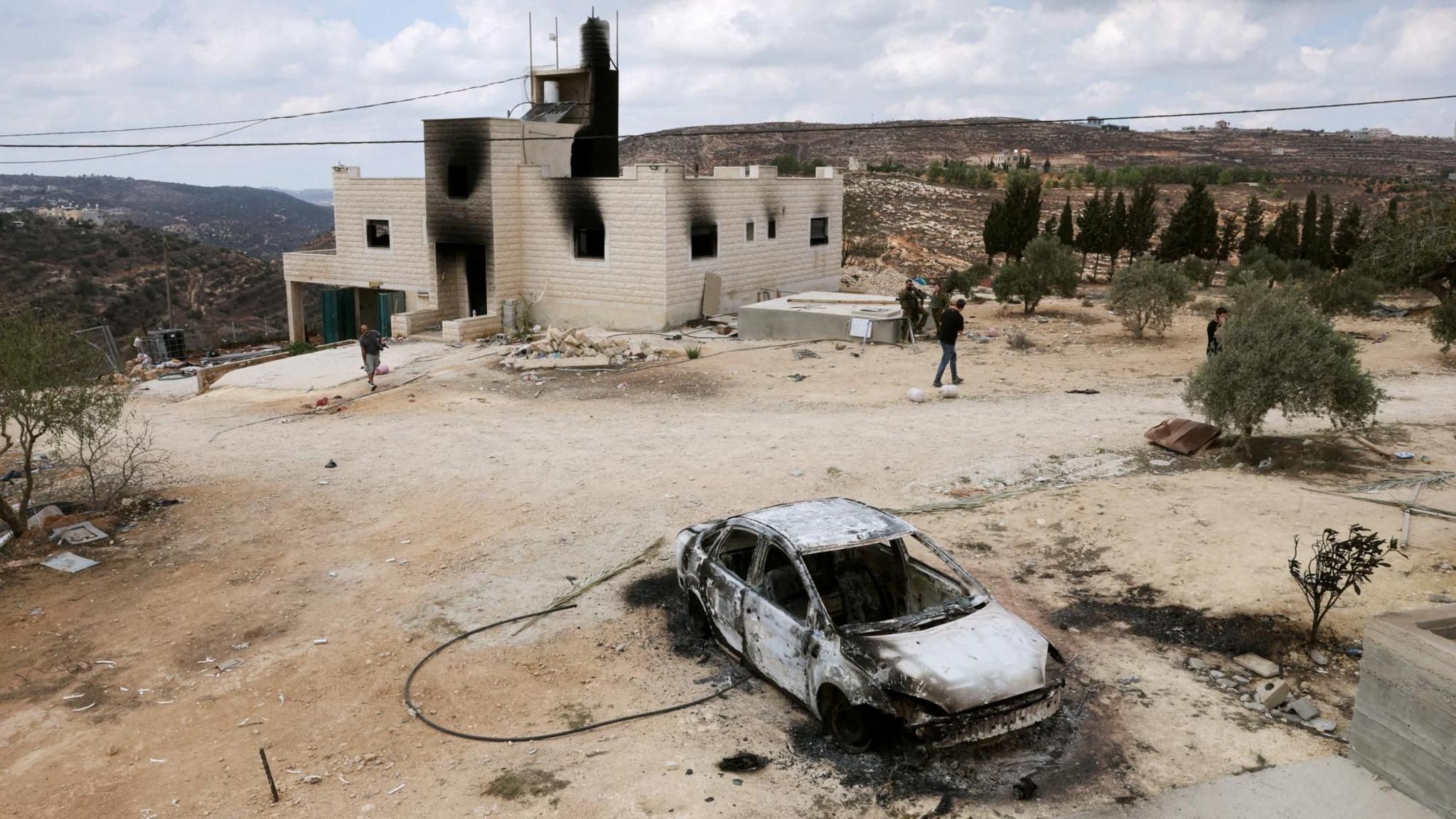
On the third anniversary of the Hamas‑led attacks that shook Israel’s southern communities, survivors and family members are demanding a state inquiry into the failure that allowed the assault.
The attacks on 7 October left 64 people dead and 19 taken hostage in Kfar Aza and other communities. The violence was the worst the country has seen since its founding in 1948.
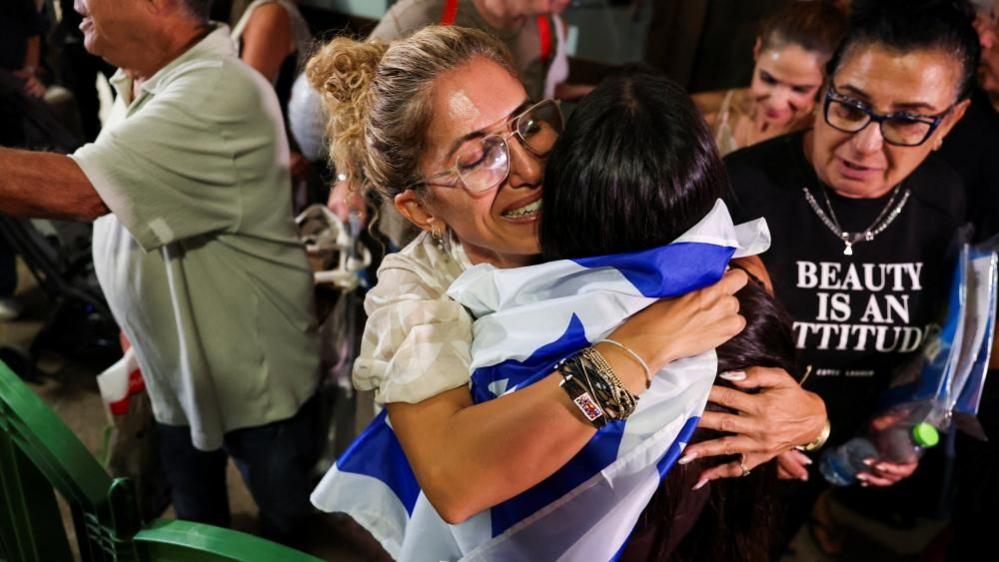
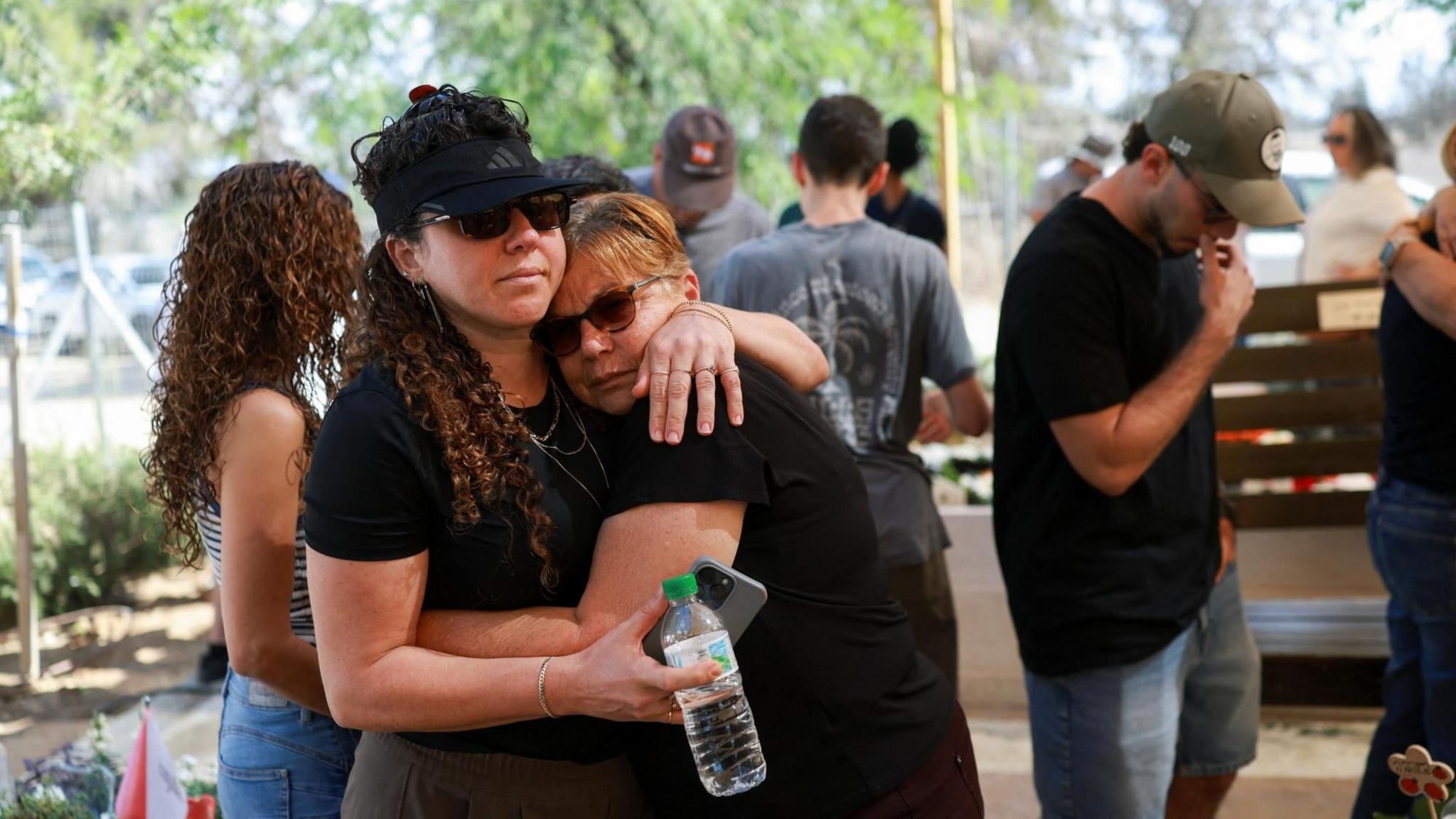
In Kfar Aza, residents gathered at a memorial ceremony to mourn the six kibbutz members who were killed in an ambush. One bereaved father stood before a crowd and pleaded that the prime minister take responsibility for the tragedy. The protest was met by security guards who removed him from the venue.
Three years later, the call for an independent inquiry has taken on new urgency. The government has refused to appoint a court‑appointed commission, arguing that an external inquiry would be biased against the leader who has stood for the duty of national security for almost thirty years.
Loyalist opponents of the inquiry point to cross‑border warnings that were allegedly ignored, and to decisional delays that allowed Hamas to plan a large‑scale attack. Critics point to a pattern of senior security chiefs deliberately withholding information from the prime minister until the moment before the attack, hoping to avoid a costly response.
Opposition politicians, bereaved families and civil society groups are meeting with Israel’s Supreme Court to pressure the government to set up a state‑appointed commission. The newer form of inquiry proposed by the ruling coalition would have members chosen by political parties, a move that opponents say would compromise independence.
The debate is unfolding against a backdrop of looming elections, with polls showing a close race between the incumbent and a rival who plans to run on a platform of accountability. The shadow of the August 7 attacks will shape political decisions and the direction of Israel’s future policy toward its enemies.
As the investigation debate continues, eyes are also on the toll that the attacks left in the communities impacted. The arrival of new memorial vigils and calls for a thorough examination underlines the continuing pain, and a desire to prevent a repeat of the failure that changed the country’s security landscape for five years.