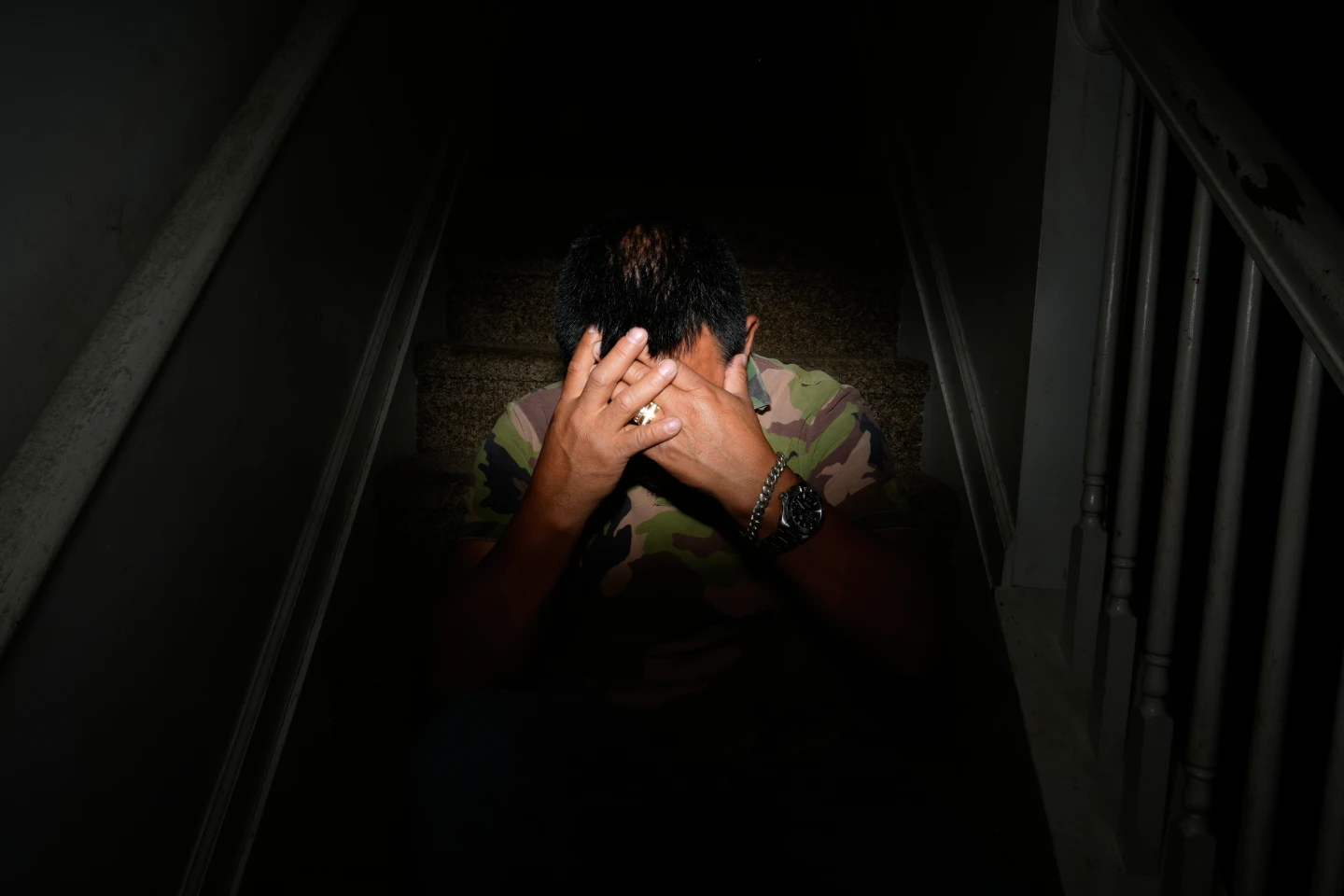
MINNEAPOLIS (AP) — Intensive care nurses at Hennepin County Medical Center in Minneapolis cast doubt on the claims made by federal immigration officers regarding the injuries of a Mexican immigrant, Alberto Castañeda Mondragón, who was admitted with severe facial and skull fractures. Upon arrival, ICE agents alleged that Mondragón had tried to flee while handcuffed and deliberately ran headfirst into a brick wall, a narrative that hospital staff found unconvincing given the extent of his injuries.
“It was laughable, if there was something to laugh about,” said one nurse under anonymity due to hospital policy. “There was no way this person ran headfirst into a wall.” Their perspective was bolstered by the fact that medical evaluations and testimonies from staff contradicted ICE’s account, emphasizing the severe nature of Mondragón's injuries that they asserted could not be a result of a mere fall.
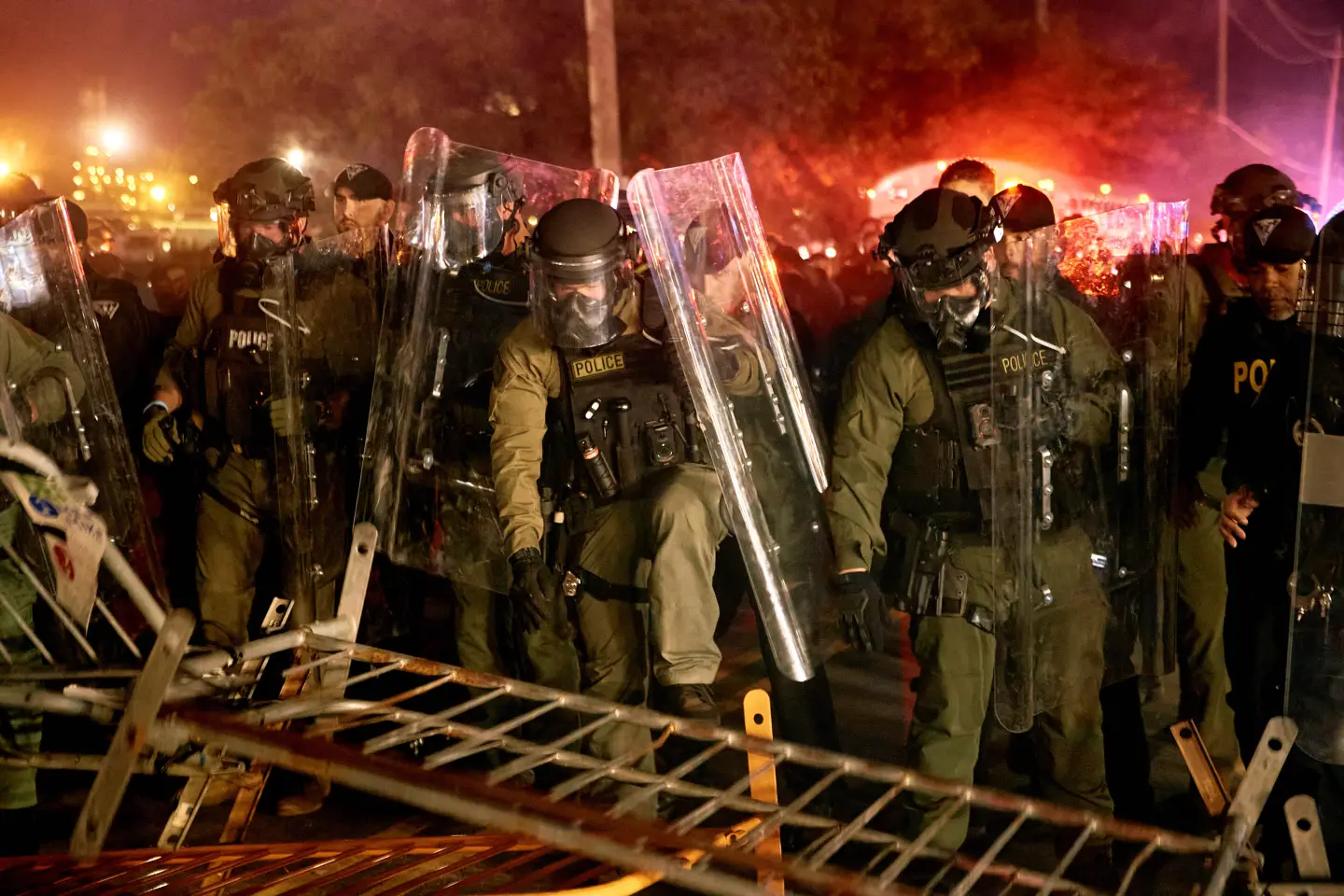
The tensions between healthcare providers and immigration enforcement have escalated during President Trump's immigration crackdown known as Operation Metro Surge, leading to new hospital protocols on interacting with ICE. Reports have emerged about ICE agents not only confining patients against hospital policy but also questioning patients about their citizenship on hospital grounds.
Hospital staff revealed that their safety and professional integrity were compromised, leading them to seek encrypted communications to avoid eavesdropping by federal entities. Nurses interviewed by the Associated Press recounted feeling intimidated in the presence of armed federal agents who they believed lacked proper medical training.
The treatment of Castañeda Mondragón reached a critical moment when ICE insisted on shackling him to the hospital bed despite warnings from healthcare professionals about the necessity of restraints. After stating that the patient could not recall the events surrounding his injury, there was agreement from both sides to have assistance from nursing staff rather than use physical restraints.
Castañeda Mondragón faced severe brain injuries soon after his arrest for overstaying his visa. Following a critical examination, he exhibited dizziness, confusion, and bruising indicative of trauma that medical professionals argue aligns with having experienced significant physical distress — rather than self-inflicted injuries by running into a wall.
Amid criticisms, hospital CEO and attorneys were involved in discussions regarding the interaction protocols with ICE. New guidelines have been established, highlighting that patient care must take precedence over immigration enforcement, and any shackling must be justified medically.
In a recent court ruling, Castañeda Mondragón was ordered to be released from custody, a decision welcomed by advocates who assert the rights of all individuals, regardless of immigration status. His family raised concerns surrounding the psychological impact and possible long-term consequences of his injuries, underscoring the wider implications of the intersection between healthcare and immigration policy.
With significant memory loss and impending financial burdens, Castañeda Mondragón's future remains uncertain as he navigates the aftermath of a jarring experience across healthcare and enforcement systems.