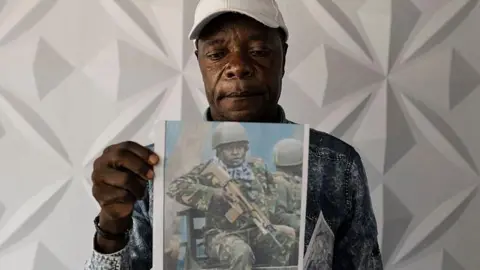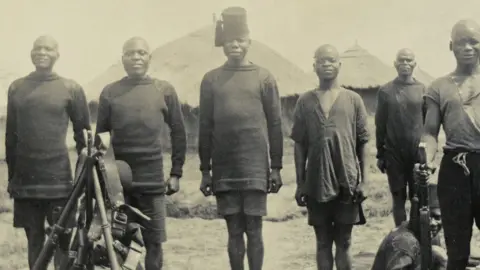
Over 85 years ago, Mutuku Ing'ati left his home in southern Kenya, never to return. His disappearance left his family searching for answers that eluded them for decades. Recently, thanks to the Commonwealth War Graves Commission (CWGC), Ing’ati's name surfaced in British military records, revealing his fate as a soldier in the East African Scouts during World War Two.
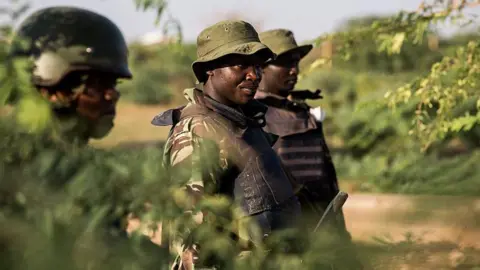
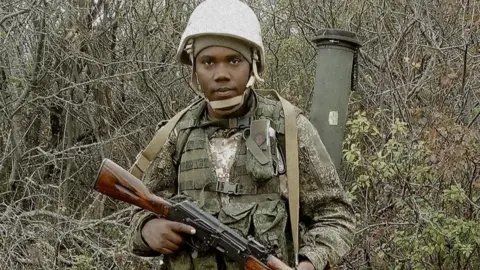
Like Ing'ati, thousands of Kenyan soldiers enlisted in the British army during the World Wars. They made significant contributions, often without recognition or family notifications regarding their deaths in battle. Many, unfortunately, were buried in unmarked graves, leaving behind grieving families with unresolved questions.
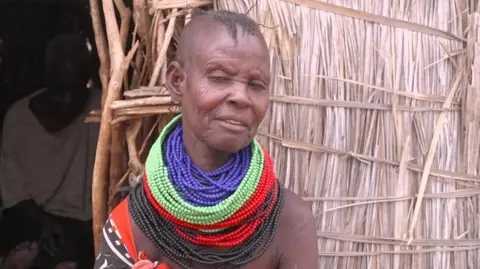
For Benjamin Mutuku, Ing'ati's nephew, learning about his uncle’s sacrifice brought mixed emotions. Although grateful for the newfound knowledge, he feels a deep sense of loss and anger that his uncle’s remains are far from home, where burial is culturally significant for their family.
The CWGC is working to uncover additional information about similar soldiers who served and died in these conflicts. Recent research has revealed over 3,000 names from colonial military records, shedding light on stories that have long been hidden. Among these are accounts of soldiers like George Williams, a decorated sergeant major, and Abdulla Fadlumulla, a young soldier killed in action.
This recovery of history is seen as critical not only for honoring the fallen but also for educating future generations about the contributions of Africans in global conflicts. The CWGC's effort aims to integrate these stories into Kenya's school curriculum to ensure the sacrifices of these soldiers are recognized and remembered.
As the CWGC engages in ongoing efforts to build memorials and continue research, it works towards a world where the sacrifices of Kenyan soldiers are no longer forgotten but celebrated as integral to the shared history of both Kenya and the broader world.