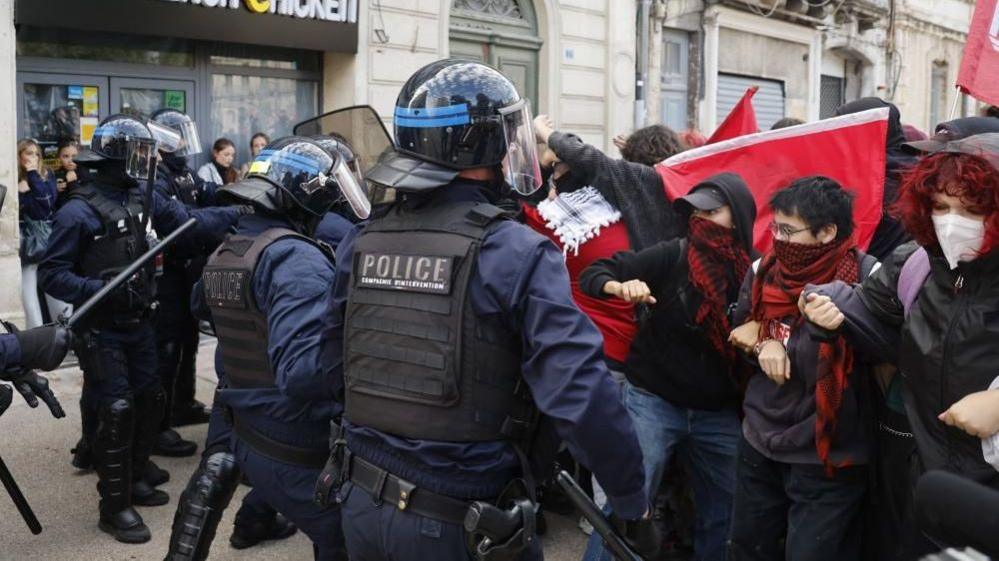
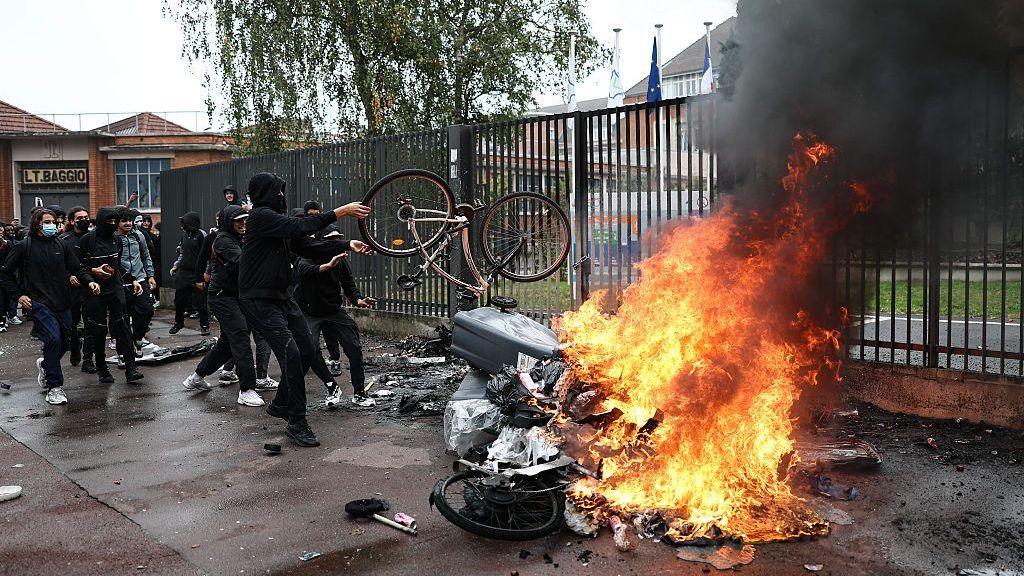
French police have stopped the use of stun grenades during student protests nationwide, a decision announced by Interior Minister Laurent Nuñez after a 15‑year‑old was severely injured in Lens.
The boy’s hand was reportedly torn off when a so‑called "anti‑encirclement" grenade detonated near Augtte Béhal high school in a town just north of Lille. While police say the student picked up the device himself, many students claim it was fired directly at him by an officer.
Nuñez said the pause is provisional and will last until the “facts are clarified.” He also welcomed 18 investigations opened by the Independent General Prosecutor’s office into the proportionality of police actions during the demonstrations.
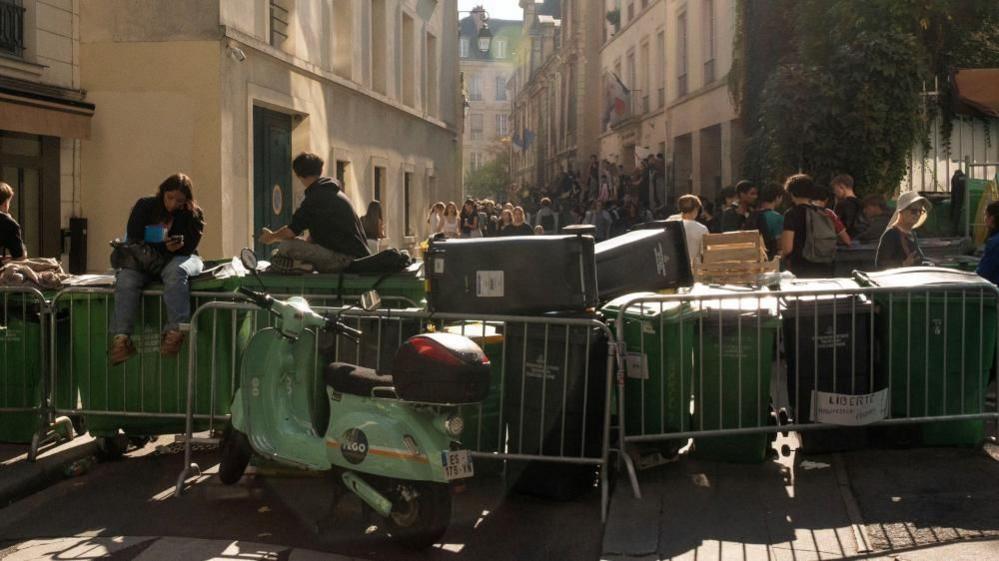
The protests that began in mid‑September have spread beyond secondary schools, now involving parents and university students as well. In total, more than 250,000 demonstrators have been counted by the government, while student unions estimate the number at 450,000.
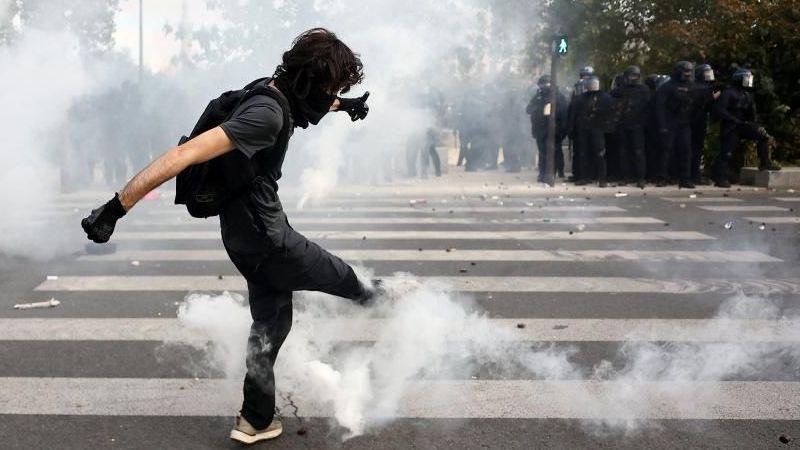
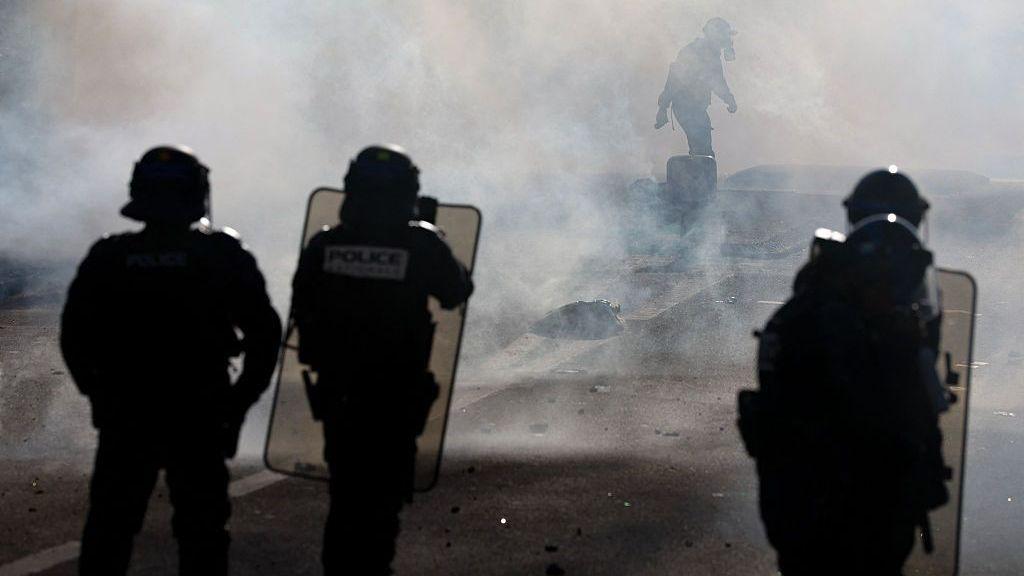
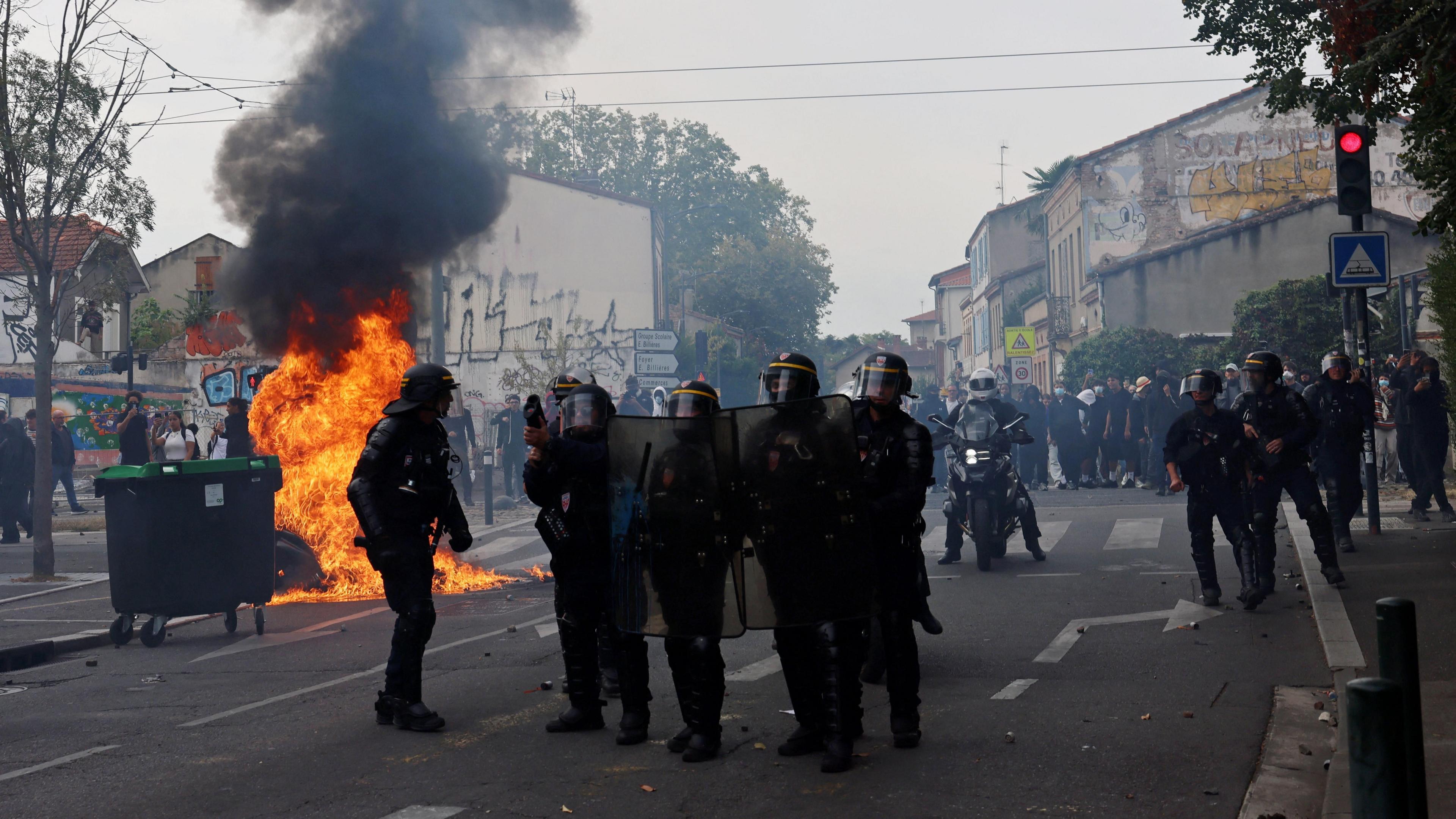
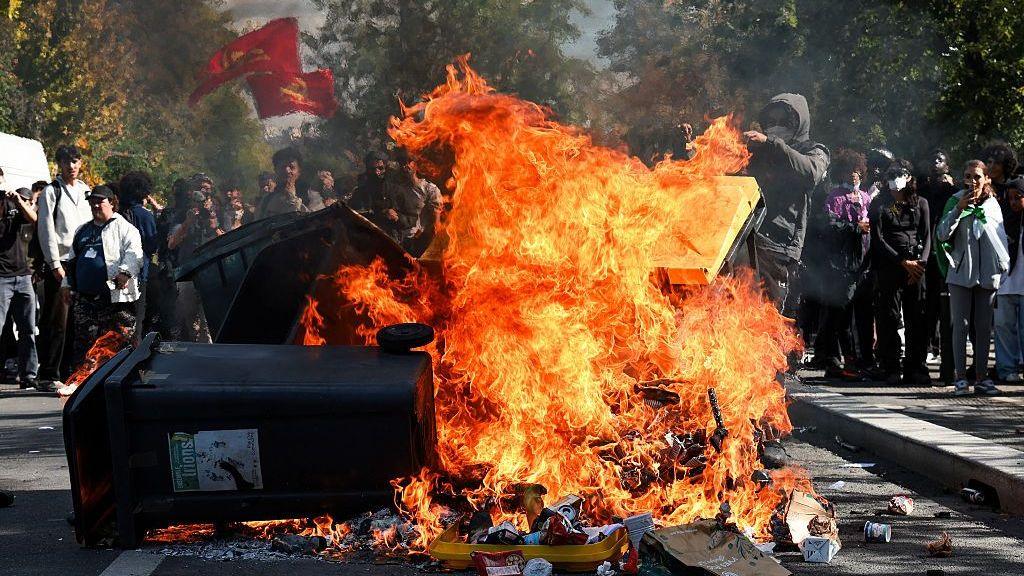
The demonstrations have seen a mix of violent clashes and peaceful marches. On Tuesday, tear gas and water cannons were deployed in Paris and Marseille, and 488 people were arrested nationwide. Meanwhile, 43 security personnel were reportedly injured and 715 police officers were injured, according to the interior ministry.
The government’s response has been criticized by opposition parties, who argue that the use of force is excessive and policies must address systemic educational issues. Opposition MPs have called for a comprehensive review of riot control methods and stronger protections for students.
In parallel, human‑rights groups have expressed concern that the injuries sustained during protests – including a 14‑year‑old who lost several teeth after a tear‑gas grenade hit him – signal a growing intolerance for civil dissent. They urge an independent inquiry into police conduct and the legal use of “non‑lethal” weapons.
President Emmanuel Macron convened an emergency meeting with key ministers to devise a strategy that balances public safety with the right to protest. The outcome will likely shape how Paris and other cities manage the next wave of demonstrations, which are set for Thursday.