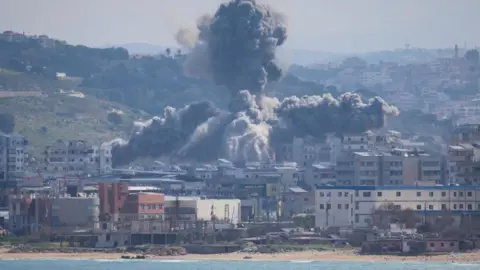
The Israeli military has conducted a series of air strikes across southern Lebanon, signaling that it does not consider the recently brokered US-Iran ceasefire to apply to its ongoing conflict with the Iranian-backed Hezbollah. The air strikes predominantly targeted the Tyre and Nabatieh areas early Wednesday, mere hours following the announcement of the ceasefire agreement.
Israeli Prime Minister Benjamin Netanyahu has dismissed claims made by Pakistan, a mediator for the ceasefire, that the deal extends to the hostilities in Lebanon, where the consequences of the conflict have been devastating. Recent reports indicate that over 1,500 individuals have perished since the conflict reignited, including 130 children, and more than 1.2 million Lebanese have been displaced. This represents one in five of Lebanon's populace, significantly affecting Shia Muslim communities across southern and eastern regions.
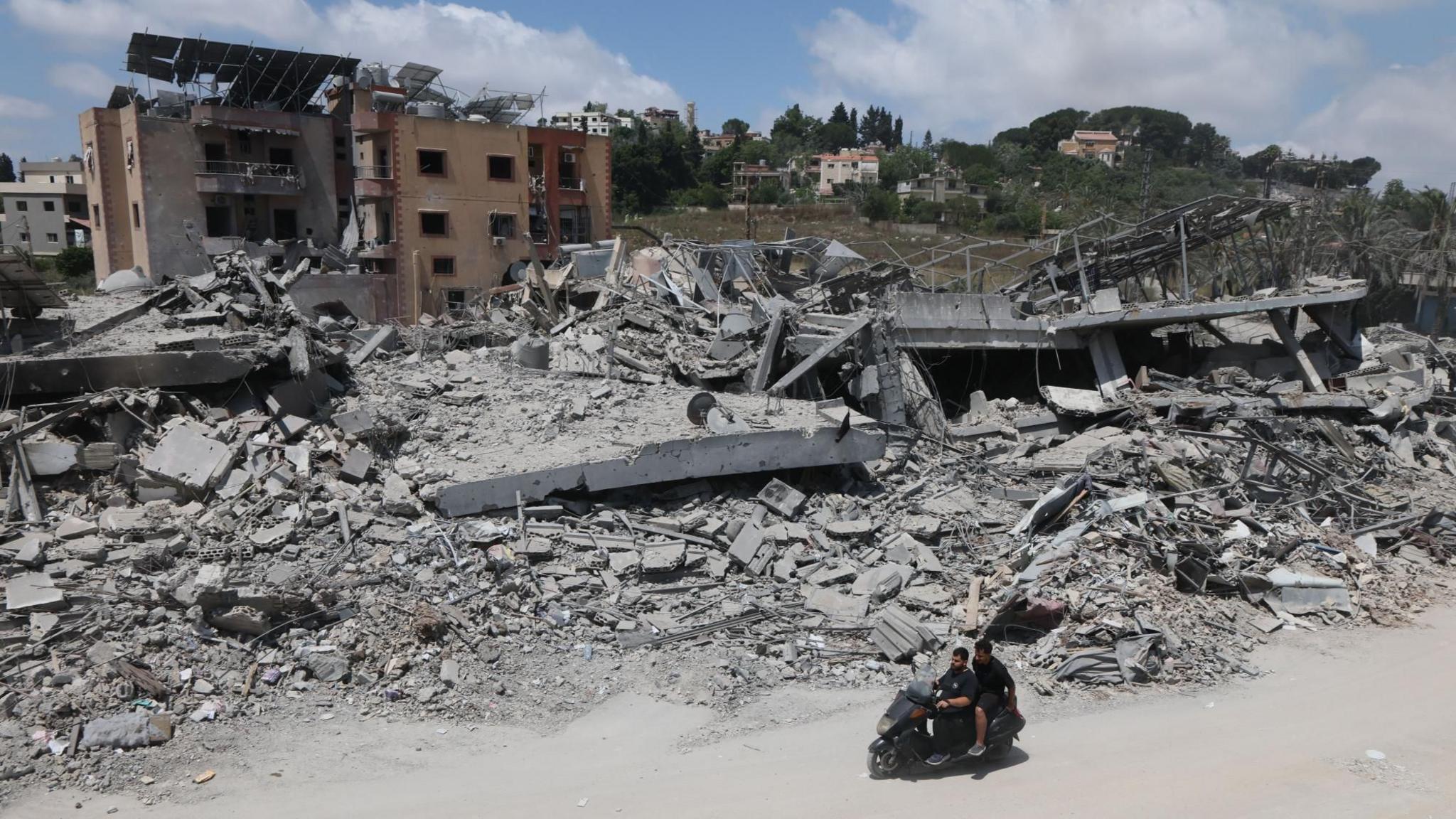
As Israeli forces aim to reconstruct a security buffer zone to dismantle Hezbollah’s infrastructure, concerns loom over the permanence of these actions, potentially barring many residents from returning home post-conflict. Locations adjacent to the border have faced extensive damage as the military push continues.
In response to a surge of hostilities initiated by Hezbollah's rockets targeting Israeli territory in retaliation for the killing of Iranian Supreme Leader Ayatollah Ali Khamenei, Israeli military sources have conveyed intentions to pursue their tactical objectives in Lebanon, with statements indicating they would not halt advances despite the deal with Iran. Meanwhile, Hezbollah has exhibited surprising resilience, conducting numerous attacks against Israel, which contradicts earlier beliefs regarding the group's diminished capacity following their losses in the previous conflict.
The Lebanese government's response to the escalating violence is somewhat muted, with President Joseph Aoun signaling a willingness to open dialogue with Israel—an unprecedented step given the two nations' lack of diplomatic relations. However, Israel has yet to acknowledge this proposition, perpetuating the cycle of violence and tension in the region.
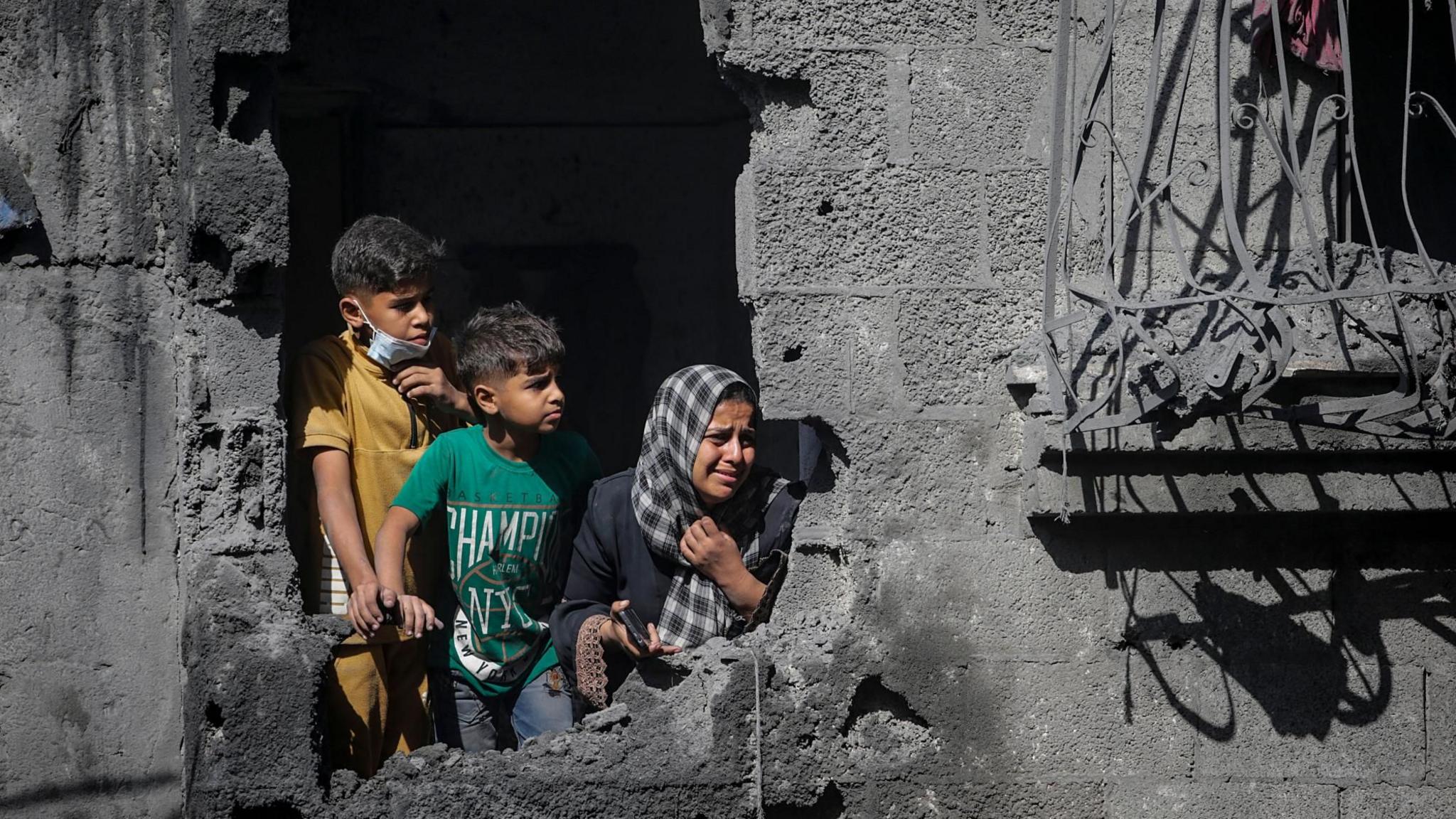
The unfolding crisis has further complicated Lebanon's already precarious socio-economic situation, pushing makeshift shelters beyond capacity as displaced families struggle for safety. School buildings are now full, with many individuals resorting to makeshift accommodations in public places or vehicles. Tensions among various sectarian groups are rising, fueled by fears of becoming targets themselves in the broader conflict.
Israeli Prime Minister Benjamin Netanyahu has dismissed claims made by Pakistan, a mediator for the ceasefire, that the deal extends to the hostilities in Lebanon, where the consequences of the conflict have been devastating. Recent reports indicate that over 1,500 individuals have perished since the conflict reignited, including 130 children, and more than 1.2 million Lebanese have been displaced. This represents one in five of Lebanon's populace, significantly affecting Shia Muslim communities across southern and eastern regions.
As Israeli forces aim to reconstruct a security buffer zone to dismantle Hezbollah’s infrastructure, concerns loom over the permanence of these actions, potentially barring many residents from returning home post-conflict. Locations adjacent to the border have faced extensive damage as the military push continues.
In response to a surge of hostilities initiated by Hezbollah's rockets targeting Israeli territory in retaliation for the killing of Iranian Supreme Leader Ayatollah Ali Khamenei, Israeli military sources have conveyed intentions to pursue their tactical objectives in Lebanon, with statements indicating they would not halt advances despite the deal with Iran. Meanwhile, Hezbollah has exhibited surprising resilience, conducting numerous attacks against Israel, which contradicts earlier beliefs regarding the group's diminished capacity following their losses in the previous conflict.
The Lebanese government's response to the escalating violence is somewhat muted, with President Joseph Aoun signaling a willingness to open dialogue with Israel—an unprecedented step given the two nations' lack of diplomatic relations. However, Israel has yet to acknowledge this proposition, perpetuating the cycle of violence and tension in the region.
The unfolding crisis has further complicated Lebanon's already precarious socio-economic situation, pushing makeshift shelters beyond capacity as displaced families struggle for safety. School buildings are now full, with many individuals resorting to makeshift accommodations in public places or vehicles. Tensions among various sectarian groups are rising, fueled by fears of becoming targets themselves in the broader conflict.