Two headline-making domestic violence cases, one in Shreveport, Louisiana, and another in Annandale, Virginia, targeting Black mothers, have ignited a nationwide discourse on the need for improved domestic violence prevention resources and mental health care in Black communities. Advocates argue that these instances underscore alarming trends, as Black women are disproportionately affected by domestic violence, proposing that these murders represent an opportunity to confront the systemic issues contributing to the vulnerability of women and children in domestic settings.
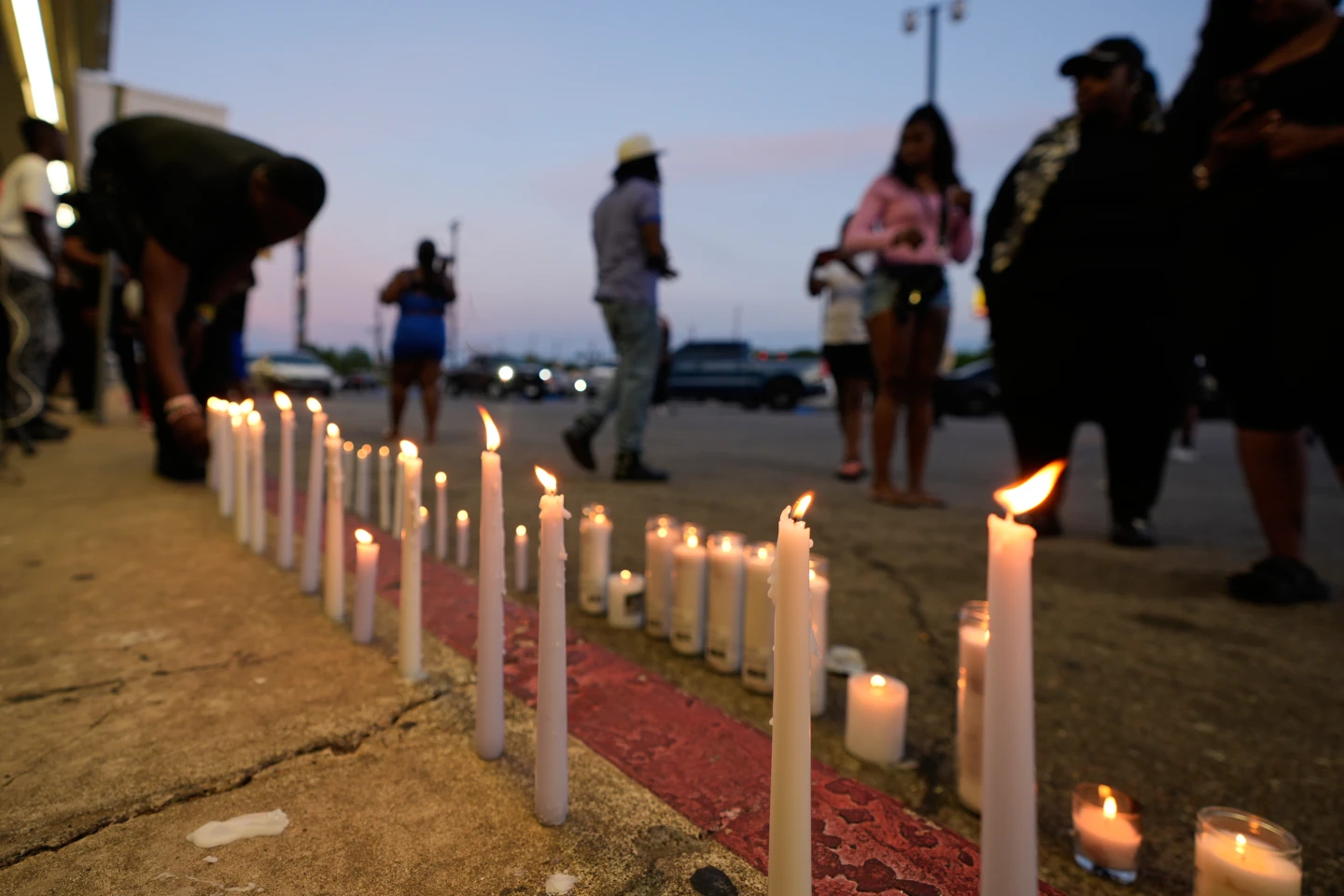
In Shreveport, a man identified as Shamar Elkins shot and killed seven of his children and another child, while his wife was injured, during a dispute leading towards separation. Similarly, in Virginia, ex-Lt. Gov. Justin Fairfax killed his estranged wife, Dr. Cerina Fairfax, before taking his own life, while their children remained unharmed.
Experts highlight that these tragic events are not isolated, but rather part of broader societal patterns. The urgency for discussions around domestic violence is further exacerbated by statistics: over 40% of Black women experience physical violence from an intimate partner during their lifetimes, a markedly higher rate than their white, Hispanic, or Asian counterparts. Moreover, Black women are twice as likely to be murdered by men than white women.
Tackling these issues requires addressing both the cultural stigma surrounding mental health in Black communities and the systemic barriers that hinder access to mental health services. Many Black individuals feel priced out of mental health care due to economic strains and institutional racism, worsening their vulnerability.
The complexities of mental health pervasive within this demographic cannot be overstated. While some may speculate about the role of mental health crises in these shootings, advocates are adamant that such factors should not serve as justifications for violence against intimate partners. They claim that the personal struggles with mental health should not absolve individuals from the accountability of their actions.
The solutions extend beyond individual circumstances; they necessitate a societal change in perception and an increase in support resources tailored specifically for Black communities. This includes fostering open dialogues, creating accessible mental health resources, and dismantling the societal stigma surrounding such discussions.
Ultimately, addressing domestic violence across racial lines requires a multifaceted approach that recognizes the interplay between systemic inequities and personal circumstances. Tackling these underlying issues is crucial not only for preventing future violence but for fostering healthy, supportive environments for survivors.
In Shreveport, a man identified as Shamar Elkins shot and killed seven of his children and another child, while his wife was injured, during a dispute leading towards separation. Similarly, in Virginia, ex-Lt. Gov. Justin Fairfax killed his estranged wife, Dr. Cerina Fairfax, before taking his own life, while their children remained unharmed.
Experts highlight that these tragic events are not isolated, but rather part of broader societal patterns. The urgency for discussions around domestic violence is further exacerbated by statistics: over 40% of Black women experience physical violence from an intimate partner during their lifetimes, a markedly higher rate than their white, Hispanic, or Asian counterparts. Moreover, Black women are twice as likely to be murdered by men than white women.
Tackling these issues requires addressing both the cultural stigma surrounding mental health in Black communities and the systemic barriers that hinder access to mental health services. Many Black individuals feel priced out of mental health care due to economic strains and institutional racism, worsening their vulnerability.
The complexities of mental health pervasive within this demographic cannot be overstated. While some may speculate about the role of mental health crises in these shootings, advocates are adamant that such factors should not serve as justifications for violence against intimate partners. They claim that the personal struggles with mental health should not absolve individuals from the accountability of their actions.
The solutions extend beyond individual circumstances; they necessitate a societal change in perception and an increase in support resources tailored specifically for Black communities. This includes fostering open dialogues, creating accessible mental health resources, and dismantling the societal stigma surrounding such discussions.
Ultimately, addressing domestic violence across racial lines requires a multifaceted approach that recognizes the interplay between systemic inequities and personal circumstances. Tackling these underlying issues is crucial not only for preventing future violence but for fostering healthy, supportive environments for survivors.