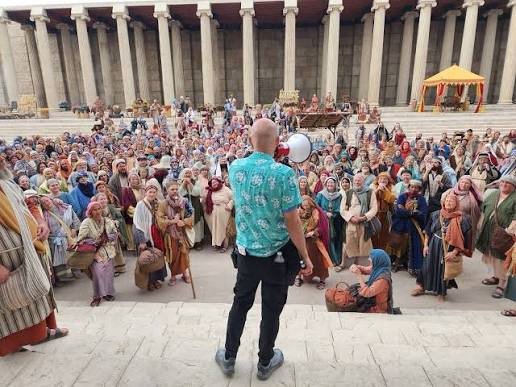
Hollywood loves to sell movie magic, but behind the scenes lies a darker truth—the brutal reality of background actors. These performers work long hours, often under pay structures that collapse as shoots extend beyond what is considered 'normal'.
The 14-Hour Day Everyone Pretends Doesn’t Exist
While SAG-AFTRA defines an eight-hour day with overtime pay, background actors often find themselves working up to 14 hours, waiting and resetting while their presence fills up the screen. The expectation of these long days has become commonplace in the industry.
How Pay Falls Apart After the First 8 Hours
Most background performers are paid a flat day rate that assumes a 'standard' workday, which rarely materializes. As production schedules bleed into overtime, many find that their earnings effectively drop below minimum wage due to a lack of understanding about overtime, meal penalties, and wage errors.
The Lawsuits Hollywood Doesn’t Advertise
High-profile class-action lawsuits against major studios reveal the extent of the issue. Allegations have surfaced regarding unpaid overtime and incorrect wages, with background actors often facing the brunt of these exploitations.
Meal Breaks, Penalties, and Silence as Policy
California law mandates meal breaks for all workers, yet production schedules frequently disregard these rules, often with minimal repercussions or penalty pay implemented. Background actors are increasingly silenced by the fear of being labeled as 'difficult', leading to a culture where they endure poor working conditions without question.
Why This System Keeps Working
The sheer volume of available background actors makes them replaceable, leading the industry to perpetuate a system that thrives on their desperation to work. With tens of thousands of SAG-eligible actors making less than $7,000 a year from acting work, standing up against exploitation becomes a formidable challenge.
The Cost of Staying in the Frame
Trained performers often find themselves subsiding the industry with exhaustion and unpaid hours, leaving them unnamed and unseen. The glamour of Hollywood is overshadowed by the often-overlooked labor that makes it possible, revealing a troubling truth about the industry's reliance on invisible workers.
Why This Matters
While Hollywood projects the image of glitz and success, the reality for many at the bottom is overlooked or hidden away. This divergence from the public perception underscores a broader exploitation within the industry that needs to be addressed.