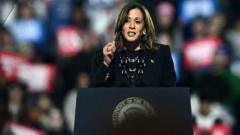
Kamala Harris's recent loss in the presidential election against Donald Trump raises questions about her candidacy's strengths and weaknesses. Following a highly publicized appearance on ABC's The View nearly a month before the election, her response to a question about deviating from President Biden’s policies—“Not a thing comes to mind”—quickly became fodder for opposing campaign ads. This moment encapsulated the challenges she faced in a campaign fraught with expectations and undelivered promises in her bid to attract voters.
In her concession speech, Harris told supporters to "not despair," but her campaign's internal reflections on what went awry will likely take longer to unpack. With the Democratic Party now grappling with Harris's defeat, questions about its future become more pressing. A feeling of shock permeated her campaign team as they anticipated a tighter race than what transpired.
As the sitting vice-president, aligning too closely with Biden's unpopularity proved detrimental. Harris was positioned atop the ticket after Biden exited the race, leading to a swift launch of her campaign. Promising a “new generation of leadership,” she aimed to capture the female vote through a focus on reproductive rights and to appeal to working-class concerns regarding the economy. Despite a summer of initial excitement—including viral moments and celebrity endorsements—Harris struggled to dissociate from Biden’s dwindling approval ratings and discontent among voters about the direction of the country.
A strategic dilemma emerged for Harris: While some aides suggested she should draw clear lines of separation from Biden, others warned against appearing disloyal. As she campaigned, Harris found it difficult to convey effective arguments that differentiated her administration's prospective policies from those of the current president. Consequently, her failure to articulate a clear vision alongside addressing pressing economic and immigration issues left voters uncertain.
Harris's campaign made attempts to appeal to the core Democratic demographics—namely, black, Latino, and young voters. Yet, she saw significant drops in support across these crucial groups, with exit polls suggesting a decline in backing among Latino voters and a reduction in approval from voters under 30. The Democratic leadership may now face introspective challenges, as seen with figures like Senator Bernie Sanders, who noted an abandonment of the Democratic Party among working-class voters expressing frustration with the status quo.
A potential opportunity slipped through her fingers when she leaned heavily into a narrative focused on anti-Trump sentiments rather than her own platform. While some supporters were hopeful that Harris's unique position as a woman of color could galvanize voters, her campaign efforts still fell short in mobilizing the enthusiasm needed to overcome the Republican base.
Harris managed to secure a majority among female voters; however, the support lagged behind the numbers from Biden's previous campaign. The strategy of positioning the election as a referendum on Trump rather than a showcase of her own policies proved detrimental, as she neglected to proactively communicate how her vision differed from the current administration.
As Harris contemplates the future of her political career and what her defeat signifies, the Democratic Party must reckon with the more profound issues revealed through this electoral loss—issues that extend beyond a single candidate's performance. As the dust settles, understanding the electoral landscape will be critical for both Harris and her party, needing to redefine their approach and connection with American voters moving forward.